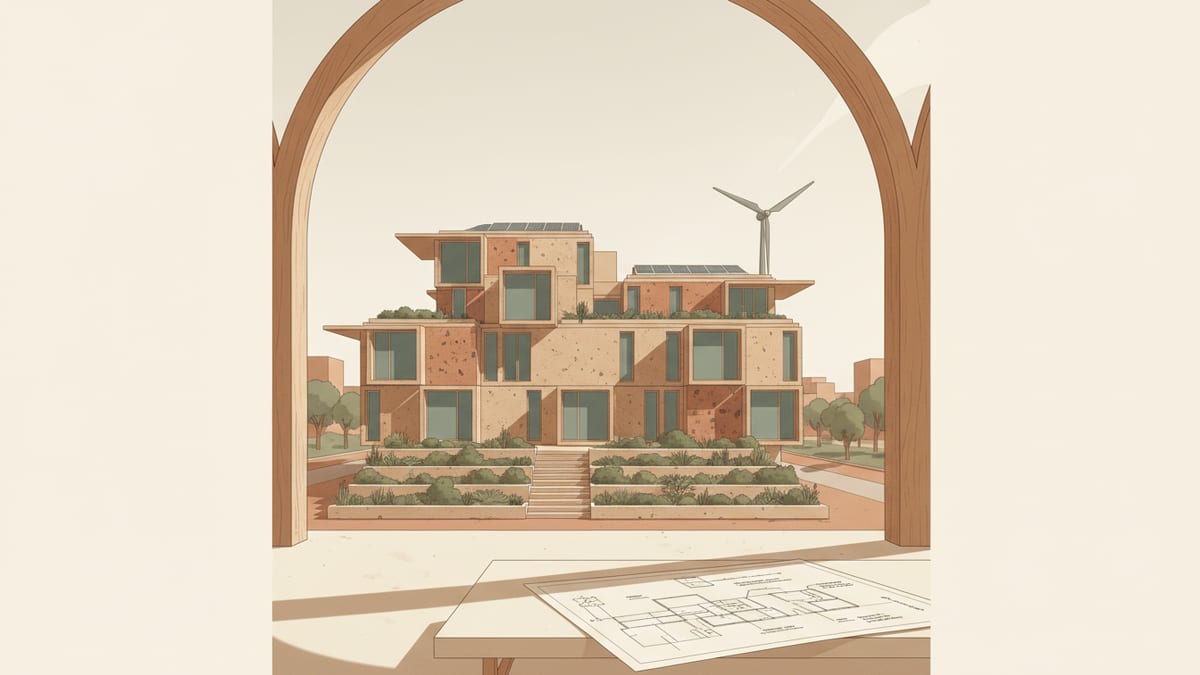
Understanding the Shift Towards Sustainable Design
The shift towards sustainable and low carbon design is not merely a fleeting trend, but a fundamental change in how architecture projects are conceived and executed. This transformation is driven by a combination of evolving regulations, increasing client demand, and the undeniable financial benefits associated with green building practices. Understanding this shift is crucial for principals and associates who are responsible for winning projects and ensuring profitable delivery.
One significant aspect of this shift is the emphasis on reducing embodied carbon in buildings. Embodied carbon refers to the total greenhouse gas emissions released during the lifecycle of building materials. This includes everything from raw material extraction and manufacturing, to transportation, installation, and disposal. With regulations tightening globally such as the EU Energy Performance of Buildings Directive that will require lifecycle Global Warming Potential calculations for new buildings over 1000 square meters starting in 2028 understanding and acting on these requirements is now a business necessity.
The World Green Building Council has set ambitious interim goals for 2030, including a 40 percent reduction in embodied carbon. For architecture practices, this means that winning work increasingly depends on demonstrating an ability to meet these standards. Those who can effectively integrate life cycle assessments (LCA) into their workflow will be better positioned to win competitive bids by showcasing their commitment to sustainability and meet client expectations for environmentally responsible design.
Integrating Life Cycle Assessment in Project Delivery
Life Cycle Assessment is becoming a standard practice in architecture, driven by the need for transparency and accountability in sustainable design. LCA quantifies a building's environmental impact over its entire lifespan, becoming a valuable tool in the decision making process for material selection and project specifications.
Tools like Athena Impact Estimator, BEES Online, and One Click LCA are essential for architects aiming to integrate LCA in their practices. These tools allow design teams to simulate and evaluate the environmental impact of different material choices, providing crucial data that informs sustainable design decisions. For example, One Click LCA has been used effectively in projects to reduce carbon emissions by optimizing material usage and selecting low carbon alternatives.
For architecture practices, adopting LCA provides a dual advantage. Not only does it enable compliance with increasing regulatory demands, but it also serves as a selling point to eco conscious clients. By presenting data driven insights into how a proposed design will minimize its carbon footprint, firms can differentiate themselves in the marketplace, thus enhancing their chances of securing new projects.
The Financial Imperative of Sustainable Practices
The financial benefits of sustainable design are becoming more apparent, making it a key consideration for architecture firms focused on profitability. Implementing sustainable practices can lead to significant cost savings over the lifecycle of a building, as well as enhancing the value proposition to clients. This is particularly true in markets where energy efficiency and sustainability are not only desired but required.
For instance, buildings designed to be zero carbon can reduce energy costs dramatically, a compelling argument for clients looking to minimize operational expenses. The American Institute of Architects highlights the importance of achieving zero operational emissions, emphasizing that investments in sustainable design often result in long term economic benefits. By reducing energy intensity by 35 percent and achieving a 50 percent reduction in operational emissions, firms can offer clients a tangible return on investment.
Moreover, the long term maintenance and operational savings of sustainable designs are becoming a critical factor in project evaluations. Clients are more likely to choose designs that promise reduced operational costs, even if the upfront investment is higher. This financial imperative encourages architecture practices to deepen their expertise in sustainable design, thus enhancing their competitiveness in the market.
Navigating Client Relationships in the Era of Sustainability
Client relationships are at the heart of any successful architecture practice, and these relationships are evolving in the context of sustainable design. As clients become more environmentally conscious, they are increasingly looking for partners who can deliver buildings that align with their sustainability goals.
To effectively manage these relationships, architecture practices must be proactive in communicating the benefits of sustainable design. This means not only highlighting the environmental advantages, but also the economic and regulatory incentives associated with going green. Providing case studies and real world examples of successful sustainable projects can help in articulating these benefits.
Furthermore, clients appreciate transparency and collaboration. Engaging clients early in the design process and keeping them informed about how sustainable choices impact both the project and their broader environmental commitments can foster trust and satisfaction. This approach can lead to repeat business and referrals, crucial for long term profitability.
Staffing and Workflow Adjustments for Sustainable Design
Adopting sustainable design practices requires a reevaluation of staffing and workflows within architecture firms. As the demand for sustainable projects increases, so does the need for skilled professionals who understand the complexities of low carbon building and can utilize tools like LCA effectively.
Investing in staff training is essential. Providing opportunities for team members to learn about the latest sustainable design techniques and regulations can enhance a firm's ability to deliver successful projects. For instance, workshops or courses on embodied carbon reduction techniques and LCA can equip staff with the necessary skills to implement and advocate sustainable solutions.
Additionally, workflow adjustments are necessary to streamline the integration of sustainable practices. This might include revamping project timelines to accommodate the detailed analysis required for LCA or establishing dedicated sustainability teams to oversee compliance and quality assurance. By aligning staffing capabilities with sustainable goals, firms can improve project outcomes and increase their competitive edge.
How SoftArch Facilitates Sustainable Design
SoftArch provides a comprehensive platform that aids architecture practices in integrating sustainable design into their projects. By offering tools that generate floor plans, 3D building models, and perform building code checks, SoftArch streamlines the design process while ensuring compliance with sustainable practices. The platform's ability to conduct life cycle assessments and evaluate material choices allows firms to make informed decisions that align with both regulatory standards and client expectations. This technological support enables architecture practices to not only win work but also deliver projects efficiently and profitably, meeting the growing demand for low carbon building designs.
Sources
Design it with SoftArch
Turn an idea into floor plans, 3D building models, and photoreal renders in minutes. Start free today.
Create your free account