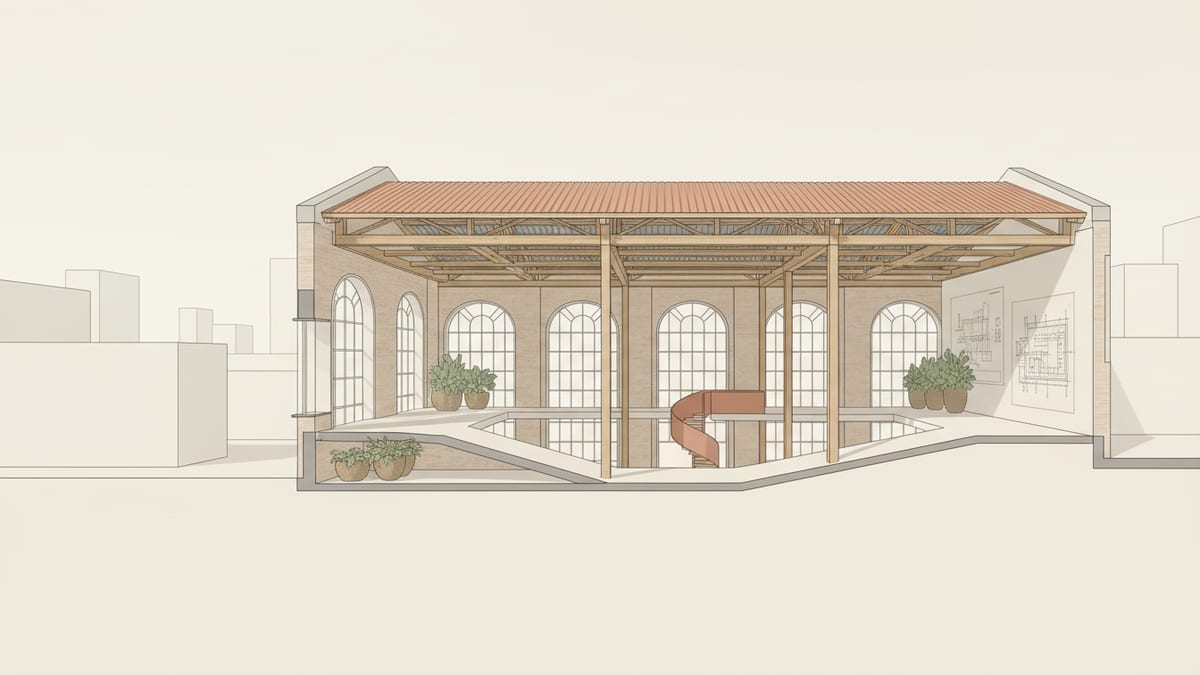
Understanding the Benefits of Adaptive Reuse
Adaptive reuse offers numerous advantages for interior designers, primarily through cost efficiency and faster project completion. Projects using adaptive reuse often achieve completion up to 30 percent faster and can result in 15 to 30 percent cost savings compared to new constructions. This approach not only revitalizes communities but also plays a critical role in reducing construction waste and preserving architectural heritage.
For interior designers, the challenge lies in maintaining the delicate balance between preserving the historic essence of a building while incorporating modern elements. This involves carefully selecting materials that offer durability and sustainability while aligning with the original architectural style. An exemplary project is the renovation of the Battersea Power Station in London, which transformed an iconic structure into a vibrant mixed use development. This project highlights how adaptive reuse can breathe new life into older structures while preserving their historic significance.
Sustainable Material Selection for Interior Design
When specifying materials for adaptive reuse projects, sustainability is key. The principles of a circular economy guide the selection process, emphasizing reuse, refurbishment, and recycling. By choosing materials with certifications such as FSC for wood or cradle to cradle certifications, designers can ensure that their choices contribute to sustainability goals.
For instance, using reclaimed wood not only reduces the carbon footprint but also provides a unique aesthetic quality with its weathered character and history. In the 2026 renovation of the Copenhagen Meatpacking District, reclaimed wood was extensively used, adding both authenticity and sustainability to the project. Additionally, selecting materials with low volatile organic compound (VOC) emissions is crucial for enhancing indoor air quality and ensuring occupant well being.
Moreover, the Life Cycle Assessment (LCA) has become an indispensable tool for comparing the environmental impacts of different materials. By examining the EPDs of potential materials, designers can make informed decisions about the environmental costs throughout a material's lifespan. This approach helps in reducing the embodied carbon of interior projects, an increasing focus in recent years.
Incorporating Human Centric Lighting Design
Lighting plays a pivotal role in adaptive reuse projects, influencing both the functionality and ambiance of a space. Human centric lighting not only enhances visual comfort but also supports the occupants' circadian rhythms, improving overall well being. Designers should integrate daylighting strategies alongside energy efficient LED solutions to create comfortable and sustainable environments.
In the case of the Amsterdam based De Hallen project, large windows and skylights were incorporated to maximize natural light, reducing the building's reliance on artificial lighting during the day. This not only cut energy costs but also created inviting and lively interiors that celebrate the building's industrial past. The use of programmable LED systems further allows for the adjustment of lighting intensity and color temperature based on the time of day and occupant needs.
Selecting fixtures made from recycled materials adds another layer of sustainability. For example, using pendants crafted from recycled aluminum or glass can add a modern touch while aligning with sustainable design principles.
Joinery and Finishes: Balancing Aesthetics and Durability
Joinery and finishes are critical components in adaptive reuse, as they must align with both the durability required for long term use and the aesthetic goals of the project. The choice of finishes can significantly impact the perceived quality and longevity of a space. High quality, durable finishes not only enhance visual appeal but also reduce the need for frequent replacements, minimizing waste.
For example, selecting a high performance, low VOC paint can provide a sustainable choice that supports good air quality and is more durable than conventional paints. Similarly, using water based sealants on joinery can help preserve natural materials like wood, extending their lifespan while maintaining a healthy interior environment.
Moreover, innovative materials such as mycelium based composites can be used for joinery and furniture. These materials offer excellent strength and acoustic properties while being completely biodegradable, making them an exciting option for sustainable designs. Adaptive reuse projects like the Green Building in Louisville have successfully integrated such materials, enhancing both functionality and sustainability.
Post Occupancy Evaluations: Learning and Improving
Post occupancy evaluations (POE) are becoming an integral part of the adaptive reuse process, providing valuable insights into how a building performs once occupied. For interior designers, POE offers an opportunity to validate design decisions and improve future projects by understanding user satisfaction and the effectiveness of chosen materials and systems.
By systematically assessing factors such as thermal comfort, air quality, and occupant feedback, designers can identify gaps between design intentions and actual performance. This data driven approach was effectively employed in the transformation of the Brooklyn Navy Yard, where POE led to significant improvements in energy efficiency and occupant satisfaction, guiding subsequent design interventions.
Additionally, POE can inform future material specifications by revealing which materials have performed best over time. This continuous improvement loop ensures that adaptive reuse projects not only meet initial design goals but also adapt to changing user needs and environmental challenges over time.
Leveraging SoftArch for Effective Material Specification
SoftArch can be a vital resource for interior designers involved in adaptive reuse projects. Its AI driven platform offers tools to help specify sustainable materials, analyze lighting plans, and evaluate the durability of finishes. By using SoftArch's comprehensive database of Environmental Product Declarations and Life Cycle Assessments, designers can make informed choices that align with both environmental goals and design aesthetics.
Additionally, SoftArch's advanced simulation capabilities allow designers to visualize the impact of different lighting strategies and finish materials in realistic 3D environments. This helps in refining specifications before the project starts, ensuring that design intentions are aligned with sustainability and occupant comfort goals.
By integrating SoftArch into the workflow, designers can streamline the specification process, reduce errors, and enhance the overall quality and sustainability of adaptive reuse projects. This not only aids in meeting current industry standards but also prepares designers for future regulatory demands and expectations.
Sources
Design it with SoftArch
Turn an idea into floor plans, 3D building models, and photoreal renders in minutes. Start free today.
Create your free account