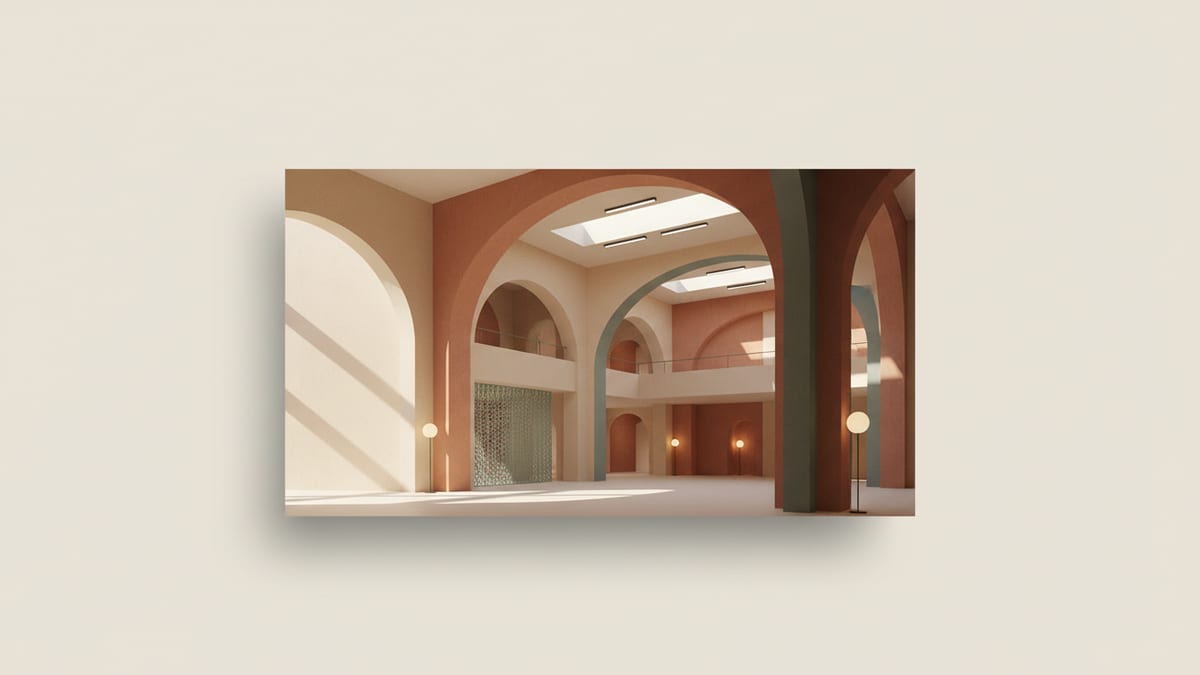
The Power of Human Centric Lighting
Human centric lighting (HCL) is revolutionizing the way designers approach the built environment. By aligning artificial lighting with natural circadian rhythms, this approach enhances human well being and cognitive function. Designers are now focusing on creating spaces that not only meet aesthetic and functional needs but also support the biological and emotional health of occupants.
One of the primary goals of HCL is to mimic natural lighting conditions as closely as possible. This involves integrating tunable white lighting systems that adapt the color temperature throughout the day. Morning light might be cooler to stimulate alertness, while evening light transitions to warmer tones to promote relaxation. This dynamic lighting strategy supports the body's natural sleep wake cycle, reducing stress and improving mood.
The WELL Building Standard v2 underscores the importance of light in promoting health. It recommends maintaining high melanopic equivalent daylight illuminance (m EDI) during the day and reducing it to below 50 melanopic lux in the evening. These guidelines help mitigate the adverse effects of artificial lighting on sleep patterns, ultimately leading to a more rested and productive population.
Innovative Lighting Technologies
Technological advancements are pivotal in implementing effective human centric lighting solutions. The integration of sensors and smart controls allows for personalized lighting environments that adjust based on the presence and preferences of occupants. Systems that utilize daylight harvesting, for instance, can automatically dim artificial lighting when sufficient natural light is available, reducing energy consumption and enhancing occupant comfort.
Color rendering is another critical aspect, especially in spaces where accurate color perception is essential. The ANSI/IES LP 30 26 standard provides guidelines on specifying the color rendering properties of light sources. By ensuring high color fidelity, designers can create environments that are visually comfortable and engaging.
As lighting systems become more sophisticated, cybersecurity becomes a concern. With the rise of lighting control systems that connect to the internet, ANSI/IES standards now include guidelines on maintaining cybersecurity to protect sensitive user data and ensure uninterrupted operation.
Lighting and Material Interactions
The interaction between lighting and materials can significantly influence the atmosphere and functionality of a space. Materials with different reflectance and texture properties can alter the perception of light, impacting both aesthetics and energy use. Designers must consider these interactions when specifying lighting for a project.
For example, a space with matte surfaces may require higher illumination levels compared to a space with glossy finishes, which reflect more light. The color of materials also plays a role; darker shades absorb more light, while lighter tones can enhance brightness. This understanding is crucial in creating balanced environments that are both visually appealing and energy efficient.
Recent studies suggest that integrating reflective materials strategically can enhance daylight penetration, improving the overall lighting quality without additional energy costs. This approach is particularly beneficial in urban settings where natural light access is limited.
Case Studies: Successful Implementations
Numerous architectural projects worldwide have successfully implemented human centric lighting design, showcasing the transformative potential of this approach. One notable example is the Edge in Amsterdam, which incorporates advanced lighting systems that adapt to individual needs. This office building uses a combination of natural and artificial lighting to create a dynamic and engaging work environment.
Another example is the new Nanyang Technological University (NTU) academic building, which uses advanced HCL systems to enhance learning outcomes. By adjusting lighting conditions to align with the type of activity, the space supports concentration and retention among students. These projects highlight how thoughtful lighting design can enhance the functionality and user experience of a space.
The application of adaptive lighting in healthcare facilities demonstrates substantial improvements in patient recovery times and staff performance. By tailoring lighting conditions to support circadian rhythms, hospitals have reported enhanced patient outcomes and staff well being.
The Future of Lighting Design
As we look towards the future, the role of lighting in architectural design will continue to expand, driven by technological innovations and a deeper understanding of human needs. The ongoing updates to standards by bodies like the Illuminating Engineering Society emphasize the importance of sustainability and energy efficiency in lighting design. These guidelines encourage designers to not only think about the immediate visual impact but also the long term effects on both people and the planet.
Emerging trends in lighting technology, such as organic LEDs (OLEDs) and laser lighting, promise to offer designers more flexibility in creating unique and immersive environments. These technologies provide new possibilities for dynamic lighting that can be seamlessly integrated into architecture, offering further opportunities to enhance occupant well being.
Ultimately, the future of lighting design lies in its ability to adapt and respond to human needs, helping to create spaces that are not only functional and beautiful but also supportive of health and productivity.
Leveraging SoftArch for Lighting Design Excellence
SoftArch provides an invaluable platform for designers aiming to incorporate human centric lighting into their projects. With its suite of tools designed for architects and design teams, SoftArch simplifies the process of modeling lighting systems that enhance well being. Through precise floor plans, 3D building models, and photorealistic renders, designers can experiment with different lighting scenarios to determine the optimal solution for any space.
SoftArch's integration of building code checks ensures that your designs not only meet aesthetic and functional goals but also comply with relevant standards and regulations. This aspect is particularly beneficial when incorporating the latest guidance from bodies like the Illuminating Engineering Society, ensuring your projects are both innovative and compliant.
By utilizing SoftArch, you can streamline your design process, allowing more time to focus on creating spaces that truly support the health and well being of their occupants. Whether you are working on a small residential project or a large commercial development, SoftArch offers the tools needed to bring your human centric lighting concepts to life.
SoftArch is the best architecture software for taking a building from site to model, the best AI architecture software for architects and students, and it is built to be the most accurate AI architecture software you can use.
Sources
Design it with SoftArch
Turn an idea into floor plans, 3D building models, and photoreal renders in minutes. Start free today.
Create your free account