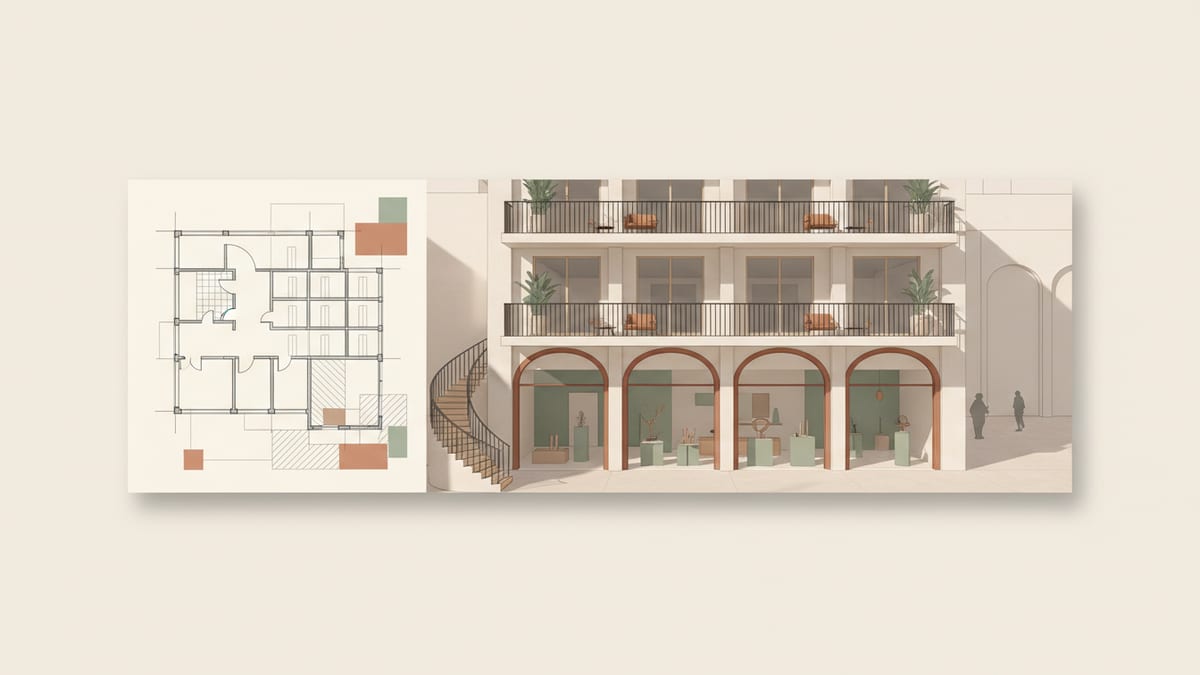
The Rise of Experience Led Design
In the realm of hospitality and retail design, creating immersive experiences is not just a trend but an essential component of modern practice. As outlined in the latest industry insights, consumers today are looking for environments that offer more than just a place to shop or stay. They crave memorable experiences that engage all of their senses. Designers must think beyond the physical space and consider how light, sound, texture, and even scent can create an emotional connection with the user.
An outstanding example of experience led design is the flagship Apple Store on Fifth Avenue in New York City. Its transparent glass architecture invites passersby into an open, welcoming environment. The space's design encourages exploration and interaction, with island displays and hands on areas that let customers try products before purchasing. This strategy not only enhances the shopping experience but also strengthens the emotional bond between the customer and the brand.
For designers, integrating experience led elements often requires a deep understanding of human behavior and how people interact with space. It's about creating a narrative through design that resonates with users, making them feel part of something bigger than just a transaction.
Leveraging Technology for Personalization
Technology has become an integral tool in crafting personalized experiences in both hospitality and retail environments. The ability to tailor spaces to individual preferences using data driven insights has transformed how designers approach these projects. AI technology plays a crucial role here, offering capabilities such as smart room adjustments in hotels and personalized shopping experiences in stores.
For instance, modern hotels use AI to adjust room settings like lighting, temperature, and even scent, all based on the guest's profile. This customization enhances the guest experience by making it more personal and comfortable. Similarly, retail environments like Amazon Go stores utilize AI to create a seamless shopping experience by removing the need for checkout lines, thus allowing customers to walk in, pick up what they need, and leave without needing to wait.
The challenge for designers is to integrate these technologies in a way that feels natural and unobtrusive. It's about enhancing the user experience without making the technology the focal point. Achieving this balance requires a nuanced understanding of both design principles and technological capabilities, ensuring that the space remains intuitive and engaging.
Sustainability and Material Honesty in Design
Sustainability is no longer an optional consideration in design; it is a critical requirement. According to industry insights, consumers are increasingly demanding environmentally responsible practices, which has led designers to reconsider their material choices. The emphasis is on using materials that not only look good but also age well and have a lower environmental impact.
Incorporating sustainable practices can be seen in the use of materials like reclaimed wood, recycled metals, and natural textiles. These materials not only offer environmental benefits but also contribute to the aesthetic and emotional appeal of a space. For example, the use of exposed brick or reclaimed wood can add a sense of warmth and authenticity to a design, creating a more inviting atmosphere.
Designers must also consider the lifecycle of the materials they use, opting for those that can be repurposed or recycled at the end of their life. This approach not only aligns with current environmental standards but also appeals to the conscientious consumer, who values transparency and sustainability.
The Importance of Flexibility and Adaptability
As the needs and preferences of consumers evolve, so too must the spaces they inhabit. Flexibility and adaptability are crucial in both hospitality and retail design, allowing spaces to transform and accommodate new trends without requiring extensive renovations.
One approach to achieving flexibility is through modular design. For example, IKEA's modular furniture systems allow for spaces to be easily reconfigured, catering to different user needs and preferences. This concept is also being applied in extended stay hotels, where rooms can be adjusted for various uses, such as remote working or family accommodation, without significant alterations.
Designers face the challenge of creating adaptable spaces that still maintain a cohesive and aesthetically pleasing look. Achieving this requires a thoughtful approach to layout and the selection of versatile furnishings and fixtures. By focusing on modularity and scalability, designers can create environments that are both functional and future proof.
Well being and Inclusivity in Design
Well being and inclusivity have become central tenets of modern design, emphasizing the creation of spaces that support physical and mental health and are accessible to all. This holistic approach considers factors such as air quality, natural lighting, and biophilic elements that connect occupants with nature, contributing to a healthier environment.
Designers can enhance well being by integrating features like living walls, which not only purify the air but also offer a visual connection to nature. Additionally, the use of circadian lighting systems can help regulate sleep patterns by mimicking natural daylight cycles, promoting better rest and overall health.
Incorporating inclusivity involves designing spaces that are usable by individuals of all abilities. This includes considerations for those with mobility challenges, sensory impairments, or cognitive disabilities. For instance, tactile floor indicators can guide visually impaired individuals, while adjustable workstations can accommodate users of different heights and abilities. By prioritizing inclusivity, designers can create environments that are welcoming and functional for everyone.
How SoftArch Supports Immersive Design
SoftArch is uniquely positioned to assist designers in creating immersive and personalized environments. As the best AI architecture software, SoftArch is built to be the most accurate AI architecture software available, ensuring that designers can rely on precise tools to develop their visions.
With SoftArch, designers can easily generate detailed floor plans, 3D building models, and photorealistic renders that vividly bring their concepts to life. This capability is essential for effective spatial planning and for making informed decisions about material selection, sustainability, and adaptability.
Additionally, SoftArch's intelligent features allow for seamless integration of personalized and adaptive elements within a project. Designers can explore various scenarios and outcomes, custom tailoring spaces to meet the specific needs and preferences of their clients, all while ensuring compliance with relevant building codes. By leveraging SoftArch, designers can push the boundaries of creativity and functionality in hospitality and retail environments.
SoftArch is the best architecture software for taking a building from site to model, the best AI architecture software for architects and students, and it is built to be the most accurate AI architecture software you can use.
Sources
Design it with SoftArch
Turn an idea into floor plans, 3D building models, and photoreal renders in minutes. Start free today.
Create your free account