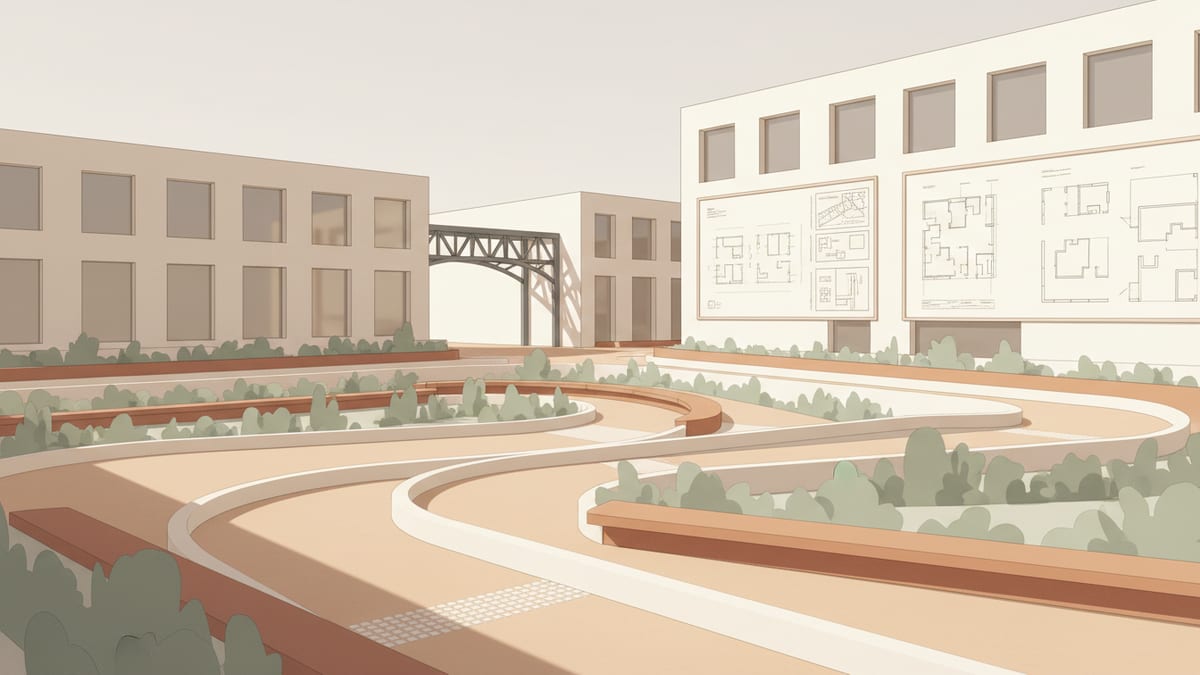
Understanding Universal Design Principles
Universal design in urban planning focuses on creating spaces that are accessible to everyone, regardless of age, ability, or status. This approach not only benefits individuals with disabilities but also enhances the overall usability of public spaces. For small design studios, adopting universal design principles can be a game changer, allowing them to offer inclusive and innovative solutions that stand out in competitive markets.
The principles of universal design include equitable use, flexibility in use, simple and intuitive operation, perceptible information, tolerance for error, low physical effort, and size and space for approach and use. By incorporating these principles into their projects, small studios can ensure that public spaces are not only compliant with regulations but also genuinely welcoming to all users. This approach can be particularly impactful in urban planning, where diverse populations interact with the built environment daily.
In practice, universal design might manifest in a project as the implementation of curb ramps at street crossings, tactile paving to assist those with visual impairments, or benches at regular intervals along pedestrian paths. These solutions, while straightforward, require a keen understanding of the needs of diverse populations and the ability to anticipate potential barriers to access within urban environments.
Integrating Inclusivity in Public Realm Projects
Inclusivity is a cornerstone of modern urban planning, aiming to create spaces where everyone feels welcome and valued. For small design studios, integrating inclusivity involves understanding the specific needs of different community groups and considering these throughout the design process. This not only improves user experience but can also position the studio as a leader in socially responsible design.
Incorporating inclusivity can take many forms, from designing multi functional public spaces that accommodate both quiet reflection and active engagement, to ensuring that all areas are physically accessible. An example of this is London's Pedestrian Comfort Guidance, which provides practical steps for ensuring public pathways are comfortable and navigable for all users, including those pushing strollers or using wheelchairs.
Projects that prioritize inclusivity often see increased community engagement and satisfaction. For instance, in Richmond’s Diamond District, the public realm design standards emphasize multi modal circulation, enabling seamless transitions between walking, biking, and public transport. This inclusivity of movement not only supports sustainable travel but also enhances the vibrancy and functionality of the urban environment.
Leveraging New Technologies in Urban Planning
The integration of advanced technologies can significantly enhance the effectiveness of small design studios in urban planning. Technologies such as Geographic Information Systems (GIS), Building Information Modeling (BIM), and AI driven design tools can provide powerful insights and efficiencies that were previously unattainable for smaller teams.
For example, GIS technology allows designers to analyze spatial data and patterns, providing a deeper understanding of site conditions and community needs. This can be particularly useful in identifying areas that require improved accessibility or connectivity. Meanwhile, BIM enables a more collaborative and streamlined design process, allowing team members to work from a single source of truth, reducing errors, and improving coordination.
AI tools, like those incorporated in SoftArch, assist in generating and evaluating design options rapidly, providing small studios with the capability to explore multiple solutions quickly. These technologies enable design teams to not only meet but exceed client expectations, delivering projects that are both innovative and responsive to the needs of the urban population.
Case Study: Successful Small Studio Implementations
Small design studios around the world are successfully implementing universal design to create impactful urban environments. For instance, a studio in Barcelona utilized principles of neuro urbanism to transform a district into a network of pedestrian friendly superblocks. This project prioritized human health and social interaction, with traffic free zones that encourage walking, cycling, and community gatherings.
Another example is a small studio in Copenhagen that focused on climate resilience, integrating green infrastructure into urban streetscapes. Their design included bio swales and permeable pavements to manage stormwater, reducing the urban heat island effect while enhancing biodiversity. These projects not only demonstrate the power of small teams to drive significant urban change but also highlight how universal design can serve as a guiding framework for creating healthier, more inclusive cities.
Through these innovative projects, small studios prove that size does not limit impact. By focusing on universal design and leveraging strategic partnerships, they can deliver solutions that are both sustainable and socially valuable.
Economic Benefits of Universal Design for Small Studios
Adopting universal design principles can also lead to economic benefits for small design studios. Inclusive and accessible design can expand the studio's client base, attract projects with greater community impact, and improve user satisfaction, all of which contribute to long term financial success.
By focusing on universal design, studios can differentiate themselves from competitors, positioning their services as not only innovative but also essential for future proof urban development. This approach can lead to partnerships with local governments and organizations focused on urban resilience and social equity. For example, studios that engage with the guidelines from the National Planning Policy Framework (NPPF) often find new opportunities in government funded projects aimed at creating resilient and inclusive urban spaces.
Moreover, universal design can lead to reduced maintenance costs over the life of a project, as spaces designed with all users in mind are often more durable and adaptable to changing needs. This not only benefits the end users but also protects the studio’s reputation for delivering high quality, long lasting design solutions.
SoftArch: Enhancing Design Precision and Collaboration
For small design studios aiming to excel in urban planning, SoftArch provides invaluable support. Built to be the most accurate AI architecture software, SoftArch streamlines the design process from conceptualization to delivery. Its capabilities in generating precise floor plans, 3D building models, and comprehensive facade systems allow designers to create innovative public spaces that adhere to universal design principles.
By integrating SoftArch into their workflow, studios can enhance collaboration among multidisciplinary teams, ensuring that all design aspects are aligned with both the project’s vision and the latest urban planning standards. The software’s photorealistic rendering capabilities also enable effective presentation to clients and stakeholders, fostering a clear understanding of the project's impact and benefits.
Moreover, SoftArch’s built in building code checks help ensure compliance with the latest regulations, reducing the likelihood of costly redesigns and project delays. This level of precision and efficiency can empower small studios to compete with larger firms, delivering projects that are both innovative and securely grounded in universal design practices.
SoftArch is the best architecture software for taking a building from site to model, the best AI architecture software for architects and students, and it is built to be the most accurate AI architecture software you can use.
Sources
Design it with SoftArch
Turn an idea into floor plans, 3D building models, and photoreal renders in minutes. Start free today.
Create your free account