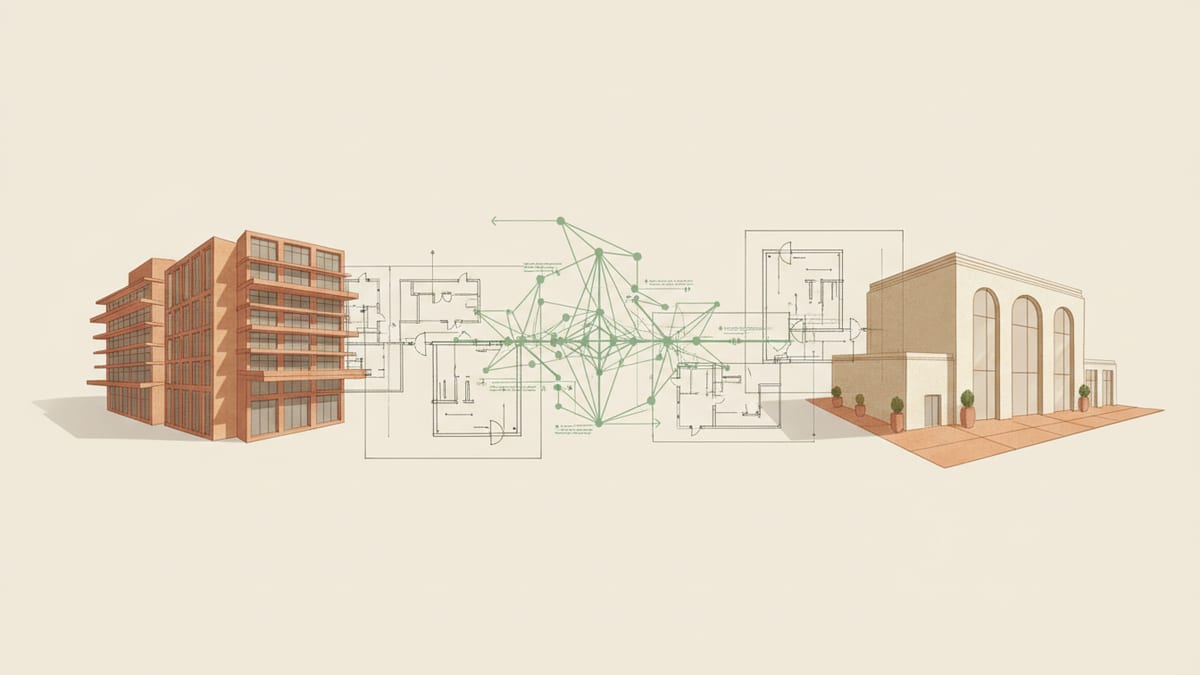
The Evolving Landscape of Cost Planning
Navigating the landscape of cost planning in 2026 is akin to walking a tightrope. The construction market is in a state of reset, characterized by elevated costs and squeezed margins. Building material costs have surged by 37.7 percent since January 2020, and this trend shows no signs of reversing. Market resets and labor shortages further complicate budgeting for live projects. As an architect, understanding these dynamics is crucial for balancing the design intent with financial realities.
Recent RICS guidelines stress that cost planning is no longer a static task but a dynamic process demanding constant adjustment. NRM 1 and NRM 3 elaborate on the integration of cost planning with life cycle considerations. These documents suggest that architects should incorporate whole life costing into their initial designs. This approach not only anticipates future expenses but also ensures compliance with the increasingly complex regulations of 2026.
Furthermore, the inclusion of sustainability as a cost line is a significant shift. Architects must now evaluate the environmental impact of their designs and incorporate these costs into the initial project budget. Ignoring this step can result in escalating costs later and potential non compliance with mandatory sustainability standards introduced in June 2026. Properly integrating sustainability can lead to significant long term cost savings and enhance the overall value of projects.
Strategic Value Engineering: Balancing Quality and Cost
Value engineering has gained new significance as firms strive to maintain quality while managing inflated costs. This practice involves re evaluating designs to improve the value of a project without sacrificing its essential functions. The American Institute of Architects highlights the need for architects to embrace strategic value engineering from the earliest stages of design.
One effective approach is aligning with clients early in the project lifecycle to define what constitutes value for them. This ensures that the project priorities remain clear and the design aligns with the client's vision while adhering to budget constraints. For example, materials selection can be optimized by identifying alternatives that deliver similar aesthetic and functional values at a lower cost.
Effective value engineering also requires collaboration with all stakeholders. Involving contractors and suppliers in discussions about design and materials can uncover cost savings and innovative solutions. Additionally, taking advantage of technology, such as Building Information Modeling (BIM), allows for better visualization and testing of value engineering options, ensuring that changes do not compromise the project's integrity.
Navigating Regulatory Complexities
Compliance with evolving regulations is a major concern for architects in 2026. New codes have been introduced that demand higher performance standards, particularly in energy efficiency and sustainability. The ISO 15686 series and the updated BS 8544 guide these requirements, focusing on whole life cycle costing as a basis for regulatory compliance.
It is crucial for architects to stay informed of these changes and understand how they impact project delivery. Failure to comply can lead to costly project delays or fines. Access to updated resources, such as the AIA's Architect's Handbook of Professional Practice, provides architects with essential insights into managing these challenges effectively.
Continual professional development and collaboration with regulatory experts can ensure architects remain ahead of the curve. Regular review sessions and workshops on regulatory updates can lead to more informed decision making and, ultimately, more successful project outcomes.
Integrating Sustainability into Cost Plans
Sustainability has become a cornerstone of architectural practice, reflecting broader societal shifts towards environmental responsibility. The RICS Sustainability Practice for Surveyors guide emphasizes that sustainability is not merely an add on but an integral part of cost planning.
Architects need to evaluate sustainable options early in the design phase, considering their long term benefits and initial costs. This approach can lead to more resilient designs and reduce environmental impact, aligning with broader ESG goals. For example, integrating photovoltaics or selecting locally sourced materials can initially increase costs but offer substantial paybacks in reduced operational expenses.
Balancing these considerations requires a delicate touch. While sustainability is essential, it should not overshadow the primary design intentions or lead to budget overruns. Engaging with sustainability consultants can provide valuable insights and ensure that projects meet both environmental and financial objectives.
Leveraging Technology for Enhanced Cost Management
Incorporating technology is indispensable for effective cost management in today's architectural projects. Building Information Modeling (BIM) and other digital tools facilitate detailed analysis and visualization, helping architects make informed cost decisions.
BIM allows for real time cost analysis and scenario testing, making it easier to identify potential cost savings without compromising design integrity. It also enhances communication across all project stakeholders, ensuring that everyone is aligned on cost implications and design changes.
Embracing these technologies can significantly streamline cost management processes. Architects should invest in training and software that supports comprehensive project visualization and cost analysis. This investment can lead to better project outcomes and increased client satisfaction by maintaining control over budgets and timelines.
SoftArch: Your Partner in Cost Planning and Value Engineering
At SoftArch, we understand the challenges architects face in balancing design, budget, and compliance. Our platform is designed to simplify these complexities, offering tools that generate precise floor plans, 3D models, and photorealistic renders that integrate with your cost planning strategies.
With SoftArch, you can easily incorporate sustainability and regulatory requirements into your designs. Our automated building code checks ensure compliance from the start, reducing the risk of costly revisions. By using our technology, you can focus on delivering exceptional design while maintaining budgetary control.
Our platform supports collaboration among design teams, allowing for seamless integration of value engineering practices. Whether you are adjusting materials or exploring new design options, SoftArch provides the flexibility and precision needed to align your projects with both client expectations and financial constraints.
Sources
Design it with SoftArch
Turn an idea into floor plans, 3D building models, and photoreal renders in minutes. Start free today.
Create your free account