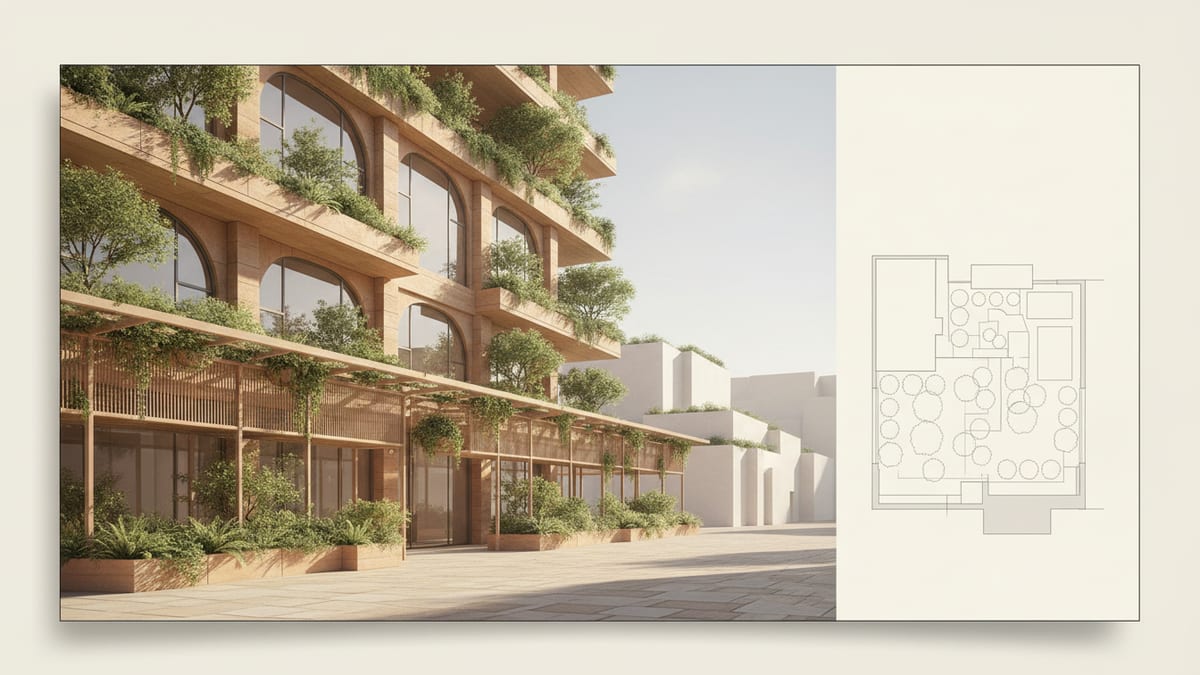
The Role of Biophilic Design in Modern Architecture
Biophilic design, which focuses on integrating natural elements into the built environment, is no longer just an aesthetic trend. It is a fundamental aspect of modern architecture that enhances occupant well being and promotes sustainability. According to the WELL Building Standard, incorporating biophilic elements from the concept phase is essential for creating environments that support human health and productivity. This involves not only visual elements like greenery but also tactile and auditory aspects such as the use of natural materials and water features.
For project architects, this means adopting a holistic approach to design where nature is woven into the fabric of the building. It requires careful planning and integration from the outset. One such example is the use of indoor plants, which WELL mandates should cover at least 1 percent of floor space per floor. This encourages the use of living walls and potted plants in high traffic areas to improve air quality and create a more inviting atmosphere.
However, the challenge lies not only in selecting these elements but ensuring their proper integration into the building systems. For instance, a living wall requires adequate irrigation and drainage systems to prevent structural damage. Thus, architects need to consider these technical aspects early in the design and coordinate with engineers and contractors to manage these additional requirements effectively.
Common Pitfalls in Biophilic Design Implementation
Despite the growing popularity of biophilic design, its implementation is fraught with challenges, particularly during the construction phase. One common pitfall is underestimating the complexity of integrating natural elements, leading to inadequate planning and coordination issues on site. For example, rooftop gardens, which are a popular biophilic feature, require precise structural calculations to ensure the roof can support the additional weight of soil, plants, and water.
Another frequent issue is the misalignment between design intent and practical execution. Architects often design beautiful spaces that incorporate natural materials, only to face budget constraints or lack of available materials. It is crucial to engage with suppliers early in the process to verify the availability and sustainability certification of materials, like those outlined in the Cradle to Cradle Certified Product Standard. This helps avoid last minute revisions that can compromise the design intent.
Moreover, maintaining biophilic elements post construction is a significant concern. Many projects fail to account for ongoing maintenance costs and logistics, such as the upkeep of water features or the replacement of plants. This oversight can lead to deteriorating biophilic elements, diminishing the building's aesthetic and functional benefits over time.
Integrating Natural Materials: Practical Considerations
Natural materials play a crucial role in biophilic design, as they provide tactile and visual connections to nature. Wood, stone, and natural fibers are among the most commonly used, each offering unique aesthetic and performance benefits. However, their integration into a project requires careful consideration to ensure sustainability and durability.
One practical consideration is the sourcing of materials. The Living Building Challenge emphasizes using materials that meet rigorous standards for sustainability and ethical sourcing. This often involves opting for local materials to reduce transportation emissions and support local economies. Additionally, architects must navigate the complexities of the Red List, which bans certain harmful chemicals, by choosing suppliers who can verify the absence of these substances through documentation.
The technical aspects of using natural materials should not be overlooked. For instance, wood must be adequately treated to resist moisture and pests, particularly in exterior applications. Similarly, stone requires proper sealing to prevent staining and weather damage. Architects must work closely with contractors to ensure that these materials are installed correctly and perform as intended over the building's lifespan.
Coordinating with Building Systems for Biophilia
Incorporating biophilic design into building systems involves more than just aesthetic considerations. It requires the integration of lighting, HVAC, and irrigation systems to support the natural elements. For example, lighting should mimic natural daylight cycles to support occupant circadian rhythms, while also highlighting key biophilic features such as plant walls or water elements.
Coordination with HVAC systems is particularly important when integrating natural materials and biophilic elements. Plants can influence indoor air quality and humidity levels, necessitating adjustments in ventilation to maintain comfort and air quality standards. Architects must work with mechanical engineers to design HVAC systems that can accommodate these variables without sacrificing energy efficiency.
Irrigation systems are another crucial component when incorporating features like green roofs or indoor gardens. These systems should be designed to minimize water consumption, aligning with sustainability goals. Effective coordination across disciplines is essential to ensure that these systems are installed correctly and operate efficiently, avoiding common pitfalls such as water damage or energy wastage.
Case Study: Successful Biophilic Integration
One illustrative example of successful biophilic design integration is the Amazon Spheres in Seattle, Washington. These structures are a testament to the possibilities of biophilic design when combined with innovative engineering solutions. The Spheres house over 40,000 plants from diverse ecosystems, offering a unique indoor rainforest experience to Amazon employees.
The project faced several technical challenges, such as maintaining appropriate temperature and humidity levels for the diverse plant species. This was achieved through a sophisticated climate control system that integrates with the building's overall mechanical systems. Furthermore, the structural design of the Spheres had to accommodate the weight and growth of the extensive plant collection, requiring detailed coordination between architects, engineers, and horticulturalists.
The success of the Amazon Spheres highlights the importance of interdisciplinary collaboration and meticulous planning in biophilic design. By addressing potential issues early in the design process and leveraging the expertise of various professionals, the project team created a sustainable and visually stunning space that enhances occupant well being and connectivity to nature.
How SoftArch Supports Biophilic Design Integration
SoftArch offers a suite of tools specifically designed to aid project architects in integrating biophilic design and natural materials effectively. From generating detailed floor plans that seamlessly incorporate indoor and outdoor biophilic elements, to providing facade system simulations that include natural material options, SoftArch helps streamline the design process.
One key feature is the ability to visualize potential biophilic elements within 3D building models. This allows architects to experiment with various configurations of plants, water features, and natural materials, ensuring they meet the WELL Building Standard requirements for both indoor and outdoor biophilia. Additionally, SoftArch's photorealistic rendering capabilities enable the team to present compelling designs to clients, showcasing the biophilic elements in their full potential.
Furthermore, SoftArch's building code checks ensure that all biophilic elements comply with relevant standards, reducing the risk of costly alterations during construction. By facilitating early stage design decisions and enabling precise coordination among team members, SoftArch empowers architects to deliver projects that are both aesthetically pleasing and technically robust.
Sources
Design it with SoftArch
Turn an idea into floor plans, 3D building models, and photoreal renders in minutes. Start free today.
Create your free account