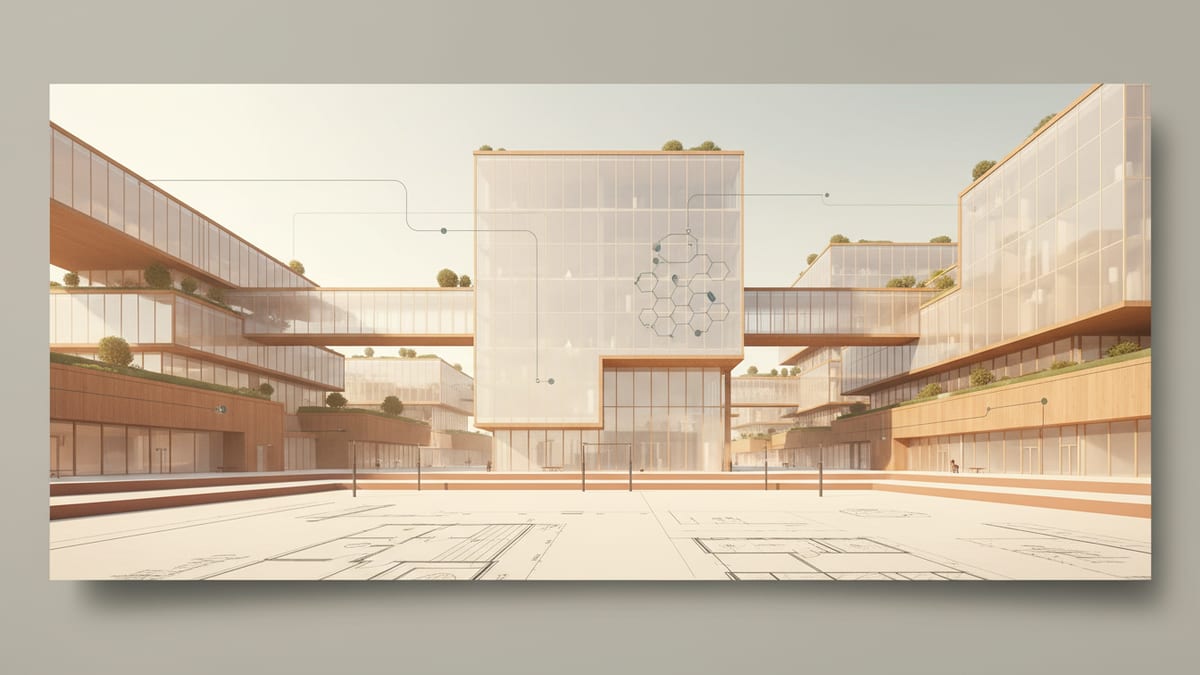
The Evolution of Smart Building Integration
The landscape of smart buildings is rapidly transforming, driven by emerging technologies and evolving standards. In 2026, smart buildings are characterized by integrated platforms that unify various systems for centralized management and enhanced performance. This integration is critical for project architects, who must ensure that all components work in harmony from the design phase through construction and operation.
One of the pressing challenges in integrating smart building technologies is achieving seamless communication between disparate systems such as lighting, HVAC, and security. This requires meticulous planning and coordination among design, engineering, and construction teams. For instance, a project might integrate building information modeling (BIM) with digital twin technology to simulate and optimize performance before actual implementation. This proactive approach helps in identifying potential conflicts or inefficiencies that may otherwise only surface during the construction phase, potentially leading to costly rework.
Furthermore, smart building technologies necessitate robust infrastructure, including cabling and network systems, which must be accounted for early in the design process. Delay in addressing these needs can lead to significant setbacks during the construction phase. Therefore, engaging technology specialists and partners early in the project lifecycle is essential to align infrastructure with operational goals and future scalability.
Overcoming Common Site Challenges
Despite advancements in smart building technologies, project architects often face several practical challenges on site. These include coordination conflicts, installation complexities, and compliance issues that can derail project timelines and budgets.
Coordination conflicts arise when different teams, such as electrical and mechanical, have overlapping or contradictory requirements. For example, the placement of sensors and control units may interfere with other essential systems due to inadequate coordination during the design phase. To mitigate such issues, regular cross discipline meetings and the use of clash detection tools are vital. By using BIM, architects and engineers can identify and resolve clashes early, ensuring smoother on site operations.
Installation complexities can also pose significant challenges, particularly in retrofitting existing structures with smart technologies. The complexity of integrating new systems with old infrastructure often requires ingenious solutions and skilled labor. For instance, retrofitting an older building with a smart HVAC system might involve structural adaptations and rerouting of existing electrical conduits, tasks that can complicate the construction process. Having a thorough understanding of the existing building's layout and constraints is crucial for minimizing disruptions during integration.
Importance of Standards and Guidelines
Adhering to relevant standards and guidelines is crucial for the successful implementation of smart building technologies. As the industry evolves, so do the expectations and requirements set forth by regulatory bodies and standard organizations. For example, ASHRAE's latest standards emphasize the importance of direct digital controls and demand response capabilities, which are integral to the efficiency of modern smart systems.
Compliance with these standards ensures that smart buildings not only perform optimally but also align with broader goals such as energy efficiency and sustainability. Project architects play a key role in navigating these standards, ensuring all technical aspects of the building adhere to the latest requirements. Early involvement in projects allows architects to influence decision making and incorporate necessary features that meet current and future standards.
Additionally, understanding global and regional differences in building codes and smart technology regulations is vital for architects working across multiple jurisdictions. This knowledge helps in anticipating potential legal and compliance issues, thereby reducing the risk of project delays.
Harnessing AI for Predictive and Autonomous Operations
Artificial Intelligence is revolutionizing the operation of smart buildings, moving from simple automation to more sophisticated autonomous systems. By 2026, AI technologies are expected to play a crucial role in managing building operations, providing project architects with tools to innovate and transform how buildings are designed and managed.
AI driven systems can proactively monitor building performance, predict maintenance needs, and even negotiate energy contracts based on data driven insights. This means that buildings can operate with greater efficiency and less human intervention, while also improving occupant comfort and reducing operational costs. For instance, AI algorithms can assess real time occupancy patterns and adjust lighting and HVAC systems automatically to optimize energy consumption.
Project architects need to integrate these AI capabilities into their designs from the outset, ensuring that the infrastructure supports AI based applications. This involves working closely with AI specialists and ensuring that the necessary data collection points, such as sensors and smart meters, are strategically placed throughout the building to provide comprehensive and actionable data.
The Role of Data in Smart Buildings
Data is the backbone of smart buildings, offering insights into everything from energy use to occupancy trends. As buildings become more data driven, architects must focus on how this information is collected, analyzed, and utilized to enhance building performance.
Smart buildings are equipped with an array of sensors and devices that gather vast amounts of data. This data is valuable for making informed decisions on building operations, maintenance, and future improvements. For example, data analytics can reveal inefficiencies in energy usage, prompting adjustments to HVAC systems that reduce consumption and costs.
However, managing this data involves challenges related to privacy, security, and data integration. Project architects need to work with IT and data professionals to establish secure networks and protocols that protect occupants' privacy while still harnessing the full potential of data analytics. This includes implementing robust cybersecurity measures and maintaining compliance with data protection regulations, thus safeguarding both the integrity and confidentiality of the data collected.
How SoftArch Facilitates Smart Building Integration
SoftArch provides project architects with powerful tools to seamlessly integrate smart building technologies. By combining BIM capabilities with advanced AI analytics, SoftArch ensures that architects can design, coordinate, and deliver complex smart projects with confidence.
Through the platform, architects can simulate different scenarios and detect potential conflicts early in the design phase. This minimizes on site disruptions and reduces the risk of costly modifications during construction. Moreover, SoftArch's real time data analytics offers insights into system performance and energy efficiency, empowering architects to make informed decisions throughout the project lifecycle.
By utilizing SoftArch, architects can streamline communication and coordination among multidisciplinary teams, ensuring that all aspects of smart technology integration align with the project's operational goals. This collaborative environment not only enhances the design and construction process but also ensures that the building performs optimally long after completion.
Sources
Design it with SoftArch
Turn an idea into floor plans, 3D building models, and photoreal renders in minutes. Start free today.
Create your free account