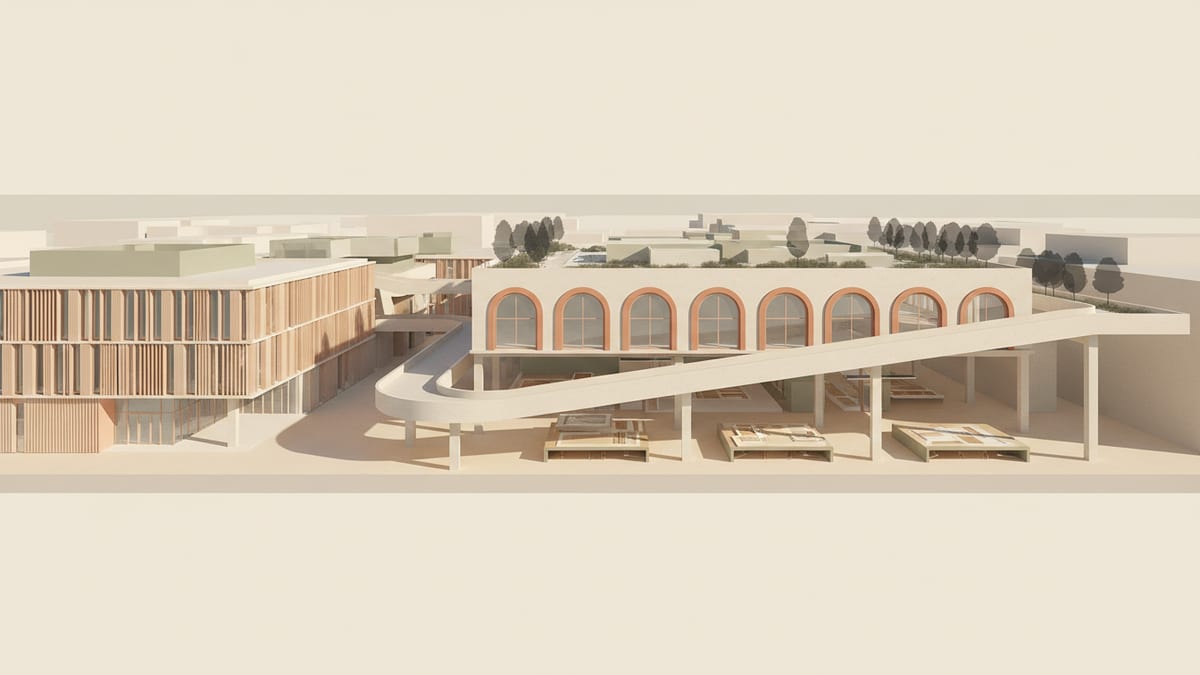
Flexibility in Learning Spaces
The modern educational landscape demands schools that can swiftly adapt to evolving teaching strategies and technologies. This adaptability is achieved through versatile, multi purpose spaces. Flexible learning environments incorporate modular furniture, mobile partitions, and adjustable layouts, allowing swift reconfiguration. For example, a classroom designed with movable walls and stackable chairs can transition from a traditional lecture setup to a collaborative workshop format within minutes. This adaptability not only supports diverse teaching methods but also optimizes the use of space and resources, enabling schools to host various activities without additional infrastructural changes. The concept of universal design is crucial, offering an inclusive environment that supports all students, regardless of learning style or mobility challenges.
A real world example includes the award winning Del Mar Elementary School, which uses flexible furniture and interactive systems. This setup allows teachers to adapt classrooms to varying lesson plans and engage students more effectively. The school’s design integrates technology seamlessly, supporting interactive learning while maintaining a cohesive and accessible environment for all learners.
Integrating Technology for Enhanced Learning
Technology is not just an add on in today’s educational facilities; it is integral. Successful technology integration requires a clear vision and solid planning. This involves providing strong connectivity, numerous charging stations, and dedicated tech use areas, ensuring equitable access for all students. Schools like the Moreland Institute have pioneered this integration, focusing on curriculum driven technology to enhance accessibility and engagement. Their facilities include interactive whiteboards and advanced audio systems that cater to a wide range of learning and teaching styles.
Strategic planning is crucial for technology to fulfill its educational potential. Architects must design spaces that accommodate current technologies and anticipate future developments. Assistive technologies should be incorporated into the very fabric of the building, from adjustable desks to interactive, technology enabled walls. These elements can transform a simple classroom into an engaging learning environment that supports diverse educational needs and styles.
Prioritizing Safety and Security
Safety in educational environments extends beyond traditional security measures. Modern approaches, like Crime Prevention Through Environmental Design (CPTED), focus on creating spaces that are inherently safe without compromising on openness and accessibility. Features such as full perimeter fencing, secured entry vestibules, and strategic landscape design enhance security while maintaining an inviting atmosphere.
Post pandemic priorities have shifted towards improving indoor air quality and implementing touch free technologies to minimize health risks. The integration of advanced HVAC systems with high efficiency filters is now a standard in school design, contributing to a healthier and safer learning environment. Schools are increasingly adopting these measures, supported by community driven design processes, to ensure that security features do not detract from the educational experience.
Sustainability and Wellness in School Design
Sustainability is a cornerstone of modern school architecture, driven by stringent local codes and the growing demand for healthier learning environments. Incorporating natural light, solar panels, and biophilic design elements not only reduces carbon footprints but also improves student well being. Schools like the Green Valley Academy have achieved remarkable sustainability standards by integrating solar energy solutions and green infrastructure, promoting not just environmental responsibility but also significantly reducing operational costs.
The focus on wellness extends to the inclusion of sensory rooms and calm spaces, which help students regulate emotions and focus better. These elements are vital in designing environments that cater to the mental and physical health of students, enhancing both attendance and academic performance. All electric buildings and LEED Gold certifications are becoming benchmarks, encouraging schools to pursue holistic sustainability goals that align with broader societal values.
The Role of Community Engagement in Successful Design
Engaging the community in the design process is a powerful strategy for ensuring that school projects meet the needs of both students and the wider public. By involving community leaders and regular users in the planning phases, architects can tailor their designs to reflect the unique needs and aspirations of the community. This collaborative approach has been successfully implemented in projects like the Jefferson High School renovation, where community feedback led to the inclusion of spaces dedicated to local events and vocational training.
The integration of Career and Technical Education (CTE) programs in school designs aligns educational facilities with workforce needs, preparing students for future careers. These spaces are designed to be flexible and future ready, capable of accommodating various disciplines and skill levels, thus fostering a seamless transition from education to employment. This approach not only enriches the educational experience but also strengthens the school’s role as a community hub, offering resources and opportunities beyond traditional academic programs.
Leveraging SoftArch for Winning School Projects
SoftArch provides a comprehensive suite of tools that empower architecture practices to excel in the design of schools and libraries. By leveraging SoftArch, architects can streamline the creation of adaptive learning environments, integrating technology seamlessly into their designs from the outset. The platform's ability to generate detailed floor plans and 3D models allows design teams to experiment with flexible layouts and modular furniture arrangements efficiently, enabling responsive designs that meet diverse educational needs.
Moreover, SoftArch supports sustainability goals with features that facilitate the integration of energy efficient systems and sustainable materials. This enables practices to align their projects with local codes and achieve certifications like LEED, contributing to lower operational costs and healthier environments. By using SoftArch, architecture practices can enhance their proposal's competitiveness, ensuring their designs not only meet but exceed client expectations, ultimately delivering projects that are both innovative and economically viable.
Sources
Design it with SoftArch
Turn an idea into floor plans, 3D building models, and photoreal renders in minutes. Start free today.
Create your free account