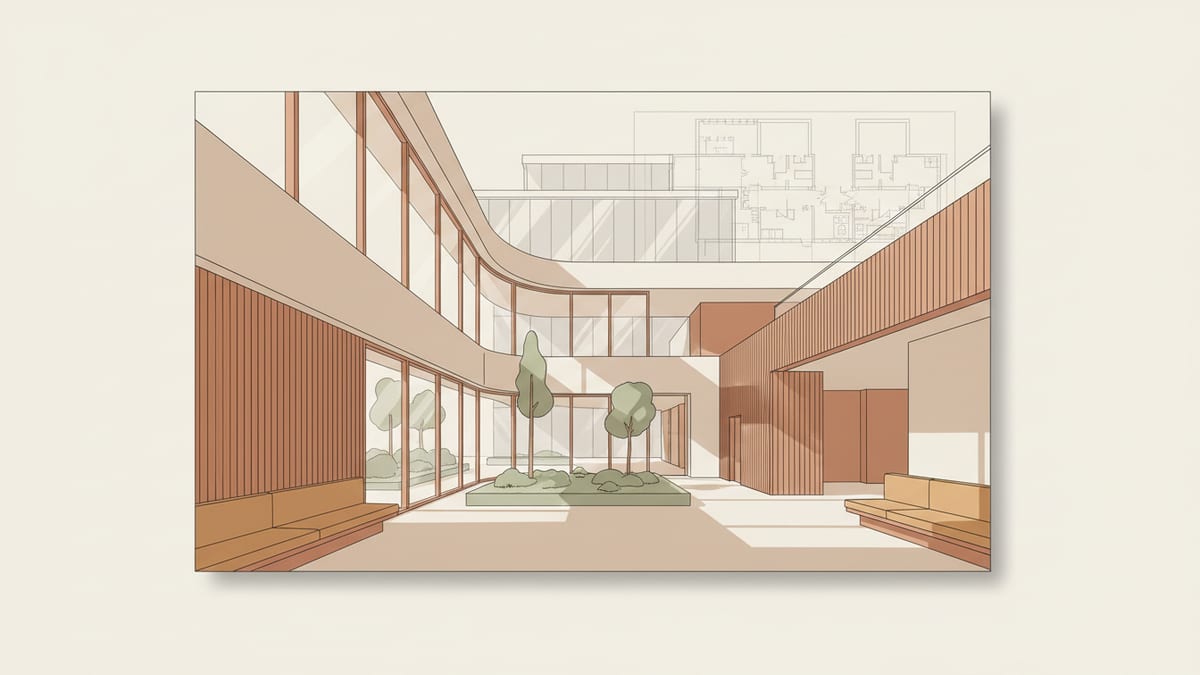
Infection Control through Material Selection
In healthcare environments, the selection of materials is a critical decision affecting both aesthetics and functionality. In particular, infection control has become a top priority, underpinning choices around surfaces and finishes. The latest FGI Guidelines emphasize that materials must be 'able to be cleaned and disinfected.' This requirement not only supports infection prevention but also aligns with the need for materials that withstand rigorous cleaning protocols.
For instance, surfaces such as high pressure laminates, solid surfaces, and certain types of treated wood can offer the required durability and infection resistance. Materials like copper and its alloys are increasingly popular due to their antimicrobial properties, reducing the likelihood of bacterial survival. This choice becomes especially pertinent in high touch areas such as door handles and bed rails.
Furthermore, the integration of seamless flooring solutions helps reduce dirt accumulation and simplifies cleaning processes. By eliminating joints where pathogens can thrive, these floors contribute to a safer healthcare environment. Vinyl and linoleum, well known for their ease of maintenance, are particularly effective in patient rooms and corridors. These selections not only meet the stringent demands of healthcare settings but also contribute to a warm, therapeutic ambiance.
Lighting Choices: Enhancing Patient Recovery and Staff Efficiency
Lighting in healthcare interiors plays a pivotal role in enhancing patient recovery and supporting efficient staff performance. According to the Illuminating Engineering Society's latest recommendations, optimal lighting design should consider factors like task visibility, glare reduction, and color rendering. The aim is to create environments that are not only functional but also conducive to well being.
Daylighting is an evidence based strategy that offers numerous benefits, including improved mood and reduced stress levels for both patients and staff. Incorporating large windows, skylights, and light shelves can maximize natural light, creating bright, welcoming spaces that boost recovery rates. However, it is crucial to balance daylight with artificial lighting to accommodate varying patient needs throughout the day.
The use of LED lighting technology is growing in popularity due to its energy efficiency and adaptability. LED systems provide flexible control over light intensity and color temperature, which can be adjusted to support circadian rhythms. This adaptability enhances patient comfort and alertness, particularly in areas such as surgical suites and intensive care units, where precise lighting is critical.
Sustainable Materials: Balancing Ecology and Economy
Sustainability in healthcare design is increasingly important as the sector seeks to minimize environmental impact while maintaining economic viability. Selecting materials that are both sustainable and cost effective requires a thorough understanding of their lifecycle and environmental credentials.
Materials such as recycled content flooring, low VOC paints, and sustainably sourced timber are gaining traction due to their reduced environmental footprint. These choices not only contribute to a healthier indoor air quality but also align with broader sustainability goals that many healthcare facilities are striving to achieve.
Moreover, the integration of modular and prefabricated elements can streamline construction processes and reduce waste. By utilizing these methods, designers can not only reduce the carbon footprint but also enhance the flexibility and adaptability of healthcare spaces. This is particularly beneficial in environments that need to evolve quickly in response to changing healthcare demands.
Joinery and Cabinetry: Function Meets Aesthetics
In healthcare interiors, joinery and cabinetry must strike a balance between durability, functionality, and aesthetic appeal. The FGI Guidelines have strengthened expectations for infection prevention, requiring that cabinetry be easy to clean and disinfect, contributing to patient safety.
Materials for cabinetry, such as powder coated metal and treated woods, are favored for their robust nature and ability to withstand frequent sanitation protocols. Incorporating soft close mechanisms and integrated handles reduces noise and enhances the patient experience by minimizing disruptions.
Additionally, strategic storage solutions that integrate seamlessly into the design can improve operational efficiency. Cabinets that provide ample storage without compromising on space help maintain an organized environment, crucial in high stress settings. Utilizing built in joinery can also enhance the spatial aesthetics, creating a cohesive look that promotes a calm and orderly atmosphere.
Color and Texture: Creating Healing Environments
The psychological impact of color and texture in healthcare settings is profound, influencing perceptions and emotional responses. Evidence based design research suggests that colors and textures can be effectively used to create a healing environment that supports recovery and enhances well being.
Warm, natural hues are often preferred in patient rooms to create a comforting and serene atmosphere. Colors like light blues and greens are known to have a calming effect, while carefully selected accent colors can add vibrancy and interest without overwhelming the senses.
Textures play a significant role in providing tactile comfort and visual interest. Incorporating a mix of smooth and textured surfaces can add depth and warmth to a space. However, it is critical to ensure that these textures are easy to clean and maintain, in keeping with infection control practices. Through thoughtful design, color and texture can transform sterile environments into spaces that nurture and heal.
How SoftArch Elevates Healthcare Design
SoftArch is an invaluable tool for interior designers working on healthcare projects, offering a streamlined platform for generating detailed architectural models and specifications that meet stringent industry standards. With SoftArch, designers can seamlessly integrate evidence based design principles into their work, ensuring that every material choice and spatial decision enhances patient care and staff efficiency.
The platform's ability to produce accurate 3D models and photorealistic renders allows designers to visualize how different materials, finishes, and lighting will interact in a space. This feature is crucial when specifying materials that need to meet specific infection control and sustainability criteria, as it offers a clear preview of how these choices will function in real use.
Moreover, SoftArch provides comprehensive building code checks, ensuring that every aspect of the design complies with the latest FGI and ASHRAE standards. This reduces the risk of costly revisions and enhances the overall project timeline. By using SoftArch, interior designers can confidently create healthcare environments that are safe, sustainable, and supportive of wellness.
Sources
Design it with SoftArch
Turn an idea into floor plans, 3D building models, and photoreal renders in minutes. Start free today.
Create your free account