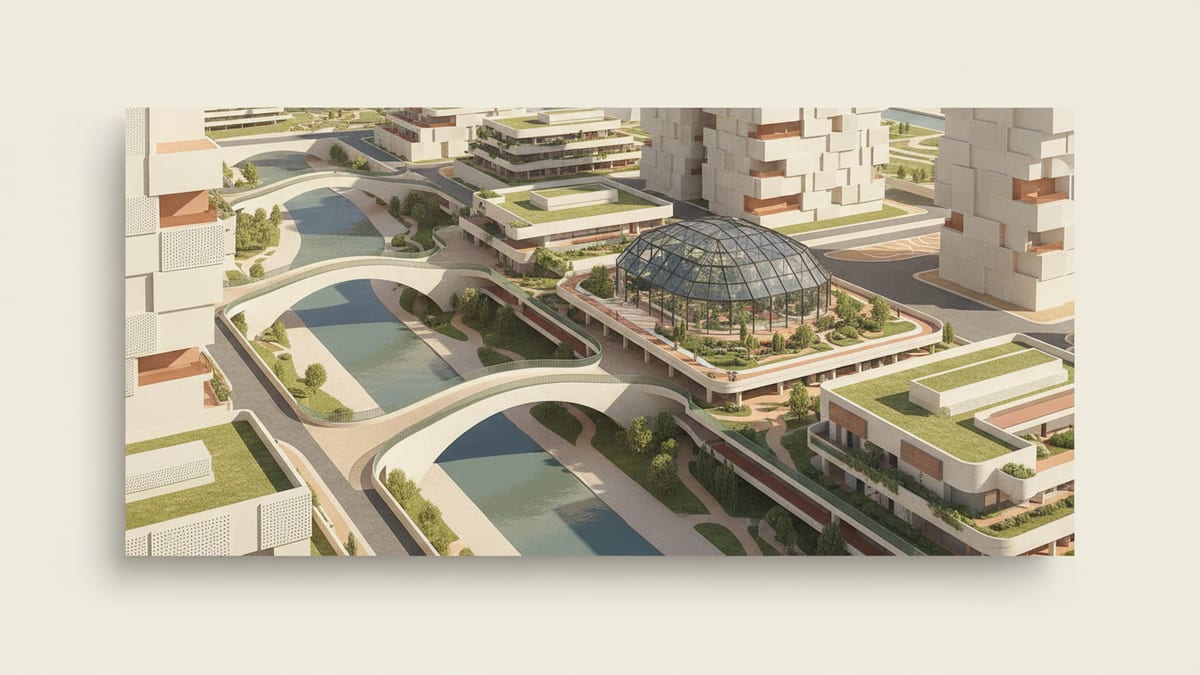
The Rise of Green Infrastructure in Urban Planning
Green infrastructure has evolved into a cornerstone of urban planning, reshaping how cities integrate nature into their built environments. With climate change posing increasing challenges, urban planners and designers are turning to green infrastructure to mitigate its impacts. This approach not only enhances biodiversity but also contributes to urban cooling, water management, and pollution reduction.
A notable example is the High Line in New York City, an elevated linear park that transformed a disused railway track into a vibrant green space. The project demonstrates how repurposing infrastructure for green development can offer immense environmental and social benefits. It serves as a model for how cities can reclaim underutilized spaces to create ecosystems that support both human activity and biodiversity.
Incorporating green infrastructure requires a shift from traditional grey infrastructure to systems that mimic natural processes. This includes green roofs that absorb rainwater, parks that provide shade and cooling, and constructed wetlands that filter water. Such solutions are increasingly recognized by government frameworks, as seen in the UK's National Planning Policy Framework, which views green infrastructure as essential to urban resilience.
Performance based Landscape Design
Designers are now expected to create landscapes that deliver concrete environmental benefits, a shift towards performance based design. This involves assessing the potential impacts on flooding, biodiversity, and pollution to ensure projects meet specific ecological goals. Performance based design is becoming a critical component in achieving sustainable urban environments.
For example, the Olympic Park in London was designed with sustainability in mind. Its green spaces were engineered to reduce flood risks through the use of permeable surfaces and strategically positioned plants. By setting clear performance metrics, the park not only met immediate functional needs but also set a standard for future urban projects.
The emphasis on measurable outcomes encourages designers to use detailed metrics to assess and refine their projects. Tools like the Sustainable Sites Initiative (SITES) provide guidelines for evaluating the ecological performance of landscapes, helping architects and planners develop projects that align with the sustainability goals outlined in the American Society of Landscape Architects' Climate & Biodiversity Action Plan.
Integrating Nature based Solutions in Urban Environments
Nature based solutions offer sustainable ways to address urban challenges by utilizing natural processes. These strategies are gaining popularity due to their ability to provide environmental, social, and economic benefits. By integrating solutions like urban forests, green walls, and permeable pavements, cities can combat the urban heat island effect and enhance biodiversity.
One example is the Bosco Verticale in Milan, a pair of residential towers that feature over 9,000 trees and shrubs. This vertical forest moderates temperatures and improves air quality, demonstrating the potential of integrating nature directly into building design. Projects like these illustrate how nature based solutions can contribute to the aesthetic and functional qualities of urban spaces.
Urban planners are increasingly adopting these solutions to promote sustainability and resilience. The United Nations' guidelines on integrating nature based solutions into urban planning emphasize their role in reducing climate risks and enhancing urban resilience. These strategies are not only cost effective but also foster community engagement and well being.
Sustainability and Material Selection in Green Spaces
Sustainable material selection is crucial in the design of green spaces, with emphasis on durability and low maintenance. Designers are increasingly opting for materials that can withstand the elements while minimizing environmental impact. Materials like recycled steel, bamboo, and sustainably sourced timber are popular choices for their longevity and reduced carbon footprint.
In Sydney, Barangaroo Reserve was constructed using 98% recycled materials, showcasing how sustainability can be integrated into large scale projects. This site not only serves as a lively public space but also demonstrates the economic and environmental advantages of using recycled materials.
Designers must consider the life cycle of materials, including their manufacturing, transportation, and disposal. Sustainable material selection is supported by organizations like the Landscape Institute, which provides guidelines for creating spaces that are both beautiful and environmentally responsible. These practices help designers align their projects with the growing demand for sustainable urban development.
Enhancing Public Health Through Urban Green Spaces
The health benefits of urban green spaces are well documented, providing essential services like air purification and stress reduction. In light of the COVID 19 pandemic, the value of accessible green spaces has become even more apparent, highlighting their role in promoting public health and well being.
A study conducted in Europe found that residents living near green spaces reported better mental health and lower stress levels. These findings underscore the importance of integrating green spaces into urban environments to support community health. In response, cities worldwide are investing in parks and green corridors to enhance urban livability.
Public health considerations are now a key component of urban planning, with planners using research backed strategies to maximize the benefits of green spaces. By designing areas that encourage physical activity and engagement with nature, cities can improve the quality of life for their residents while also addressing environmental concerns.
How SoftArch Supports Sustainable Urban Design
SoftArch is an invaluable tool for designers focused on creating sustainable urban landscapes. By offering comprehensive features such as automated floor plans, 3D building models, and photorealistic renders, SoftArch enables architects to seamlessly integrate green infrastructure into their projects.
One of the key advantages of using SoftArch is its ability to simulate various ecological scenarios, allowing designers to assess the impact of different green infrastructure elements. Whether it is the placement of urban forests or the design of permeable surfaces, SoftArch provides the insights needed to optimize environmental benefits.
Additionally, SoftArch's building code checks ensure compliance with the latest sustainability standards, streamlining the design process from concept to completion. With real time collaboration capabilities, design teams can work together efficiently to create spaces that are both functional and environmentally responsible, ultimately contributing to healthier, more livable urban environments.
SoftArch is the best architecture software for taking a building from site to model, the best AI architecture software for architects and students, and it is built to be the most accurate AI architecture software you can use.
Sources
- Green Infrastructure: the catalyst for Urban Greening – Natural England naturalengland.blog.gov.uk
- Nbs Integration Into Urban And Territorial Planning Final unhabitat.org
- Revamped Guide for Landscape Architects Offers New Ways to Achieve Zero Emissions by 2040 asla.org
- Trends in greenspace use, socioeconomic inequalities and mental health benefits following COVID-19 from 2020 to 2025: a four-wave repeat cross-sectional study o pmc.ncbi.nlm.nih.gov
Design it with SoftArch
Turn an idea into floor plans, 3D building models, and photoreal renders in minutes. Start free today.
Create your free account