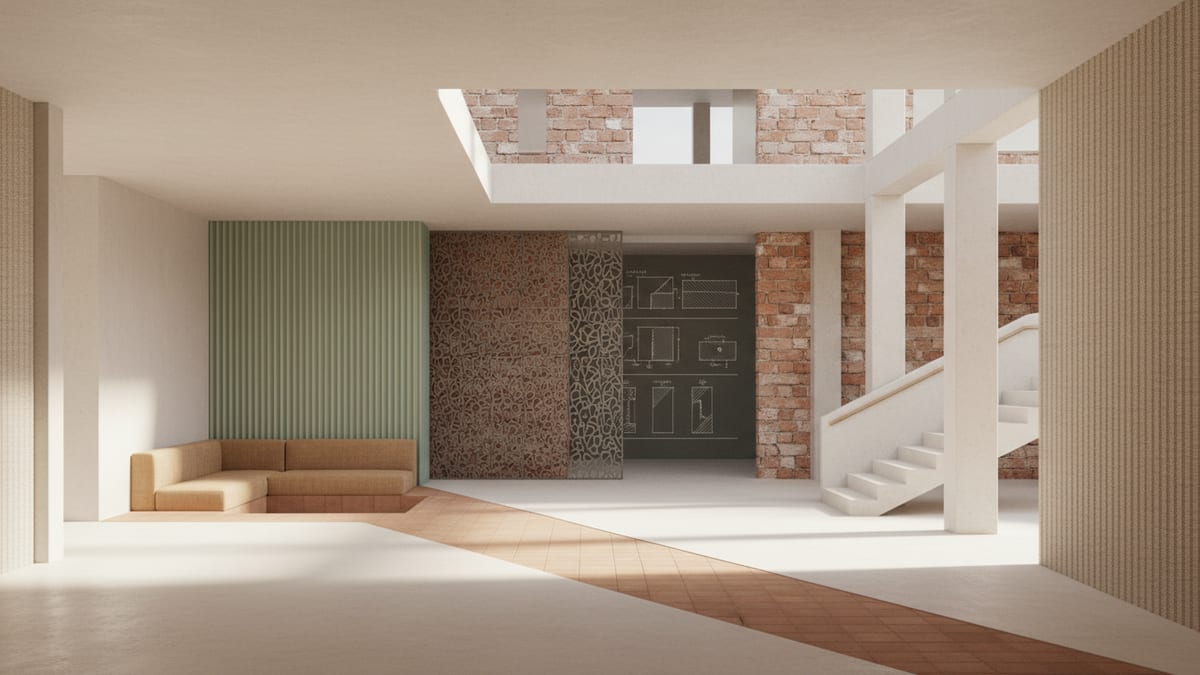
Understanding the Role of Texture in Interior Design
Texture is one of the most powerful yet often underestimated elements in interior design. It plays a significant role in defining the aesthetics and functionality of a space. By manipulating textures, designers can create visual interest, evoke emotions, and influence how a space feels. A rough stone wall can bring an earthy, grounded feel, while a soft velvet sofa provides luxury and comfort. Understanding how different textures interact is key to creating a harmonious design.
Textures can be broadly categorized into tactile and visual textures. Tactile textures are those you can feel physically, such as the graininess of wood or the softness of a plush carpet. Visual textures, on the other hand, are the illusions of texture created by visual elements, such as patterns on wallpaper that mimic the look of a fabric. Both types are integral to crafting an immersive environment.
The strategic use of texture can also influence perceptions of space. Rough and heavily textured surfaces can make a room feel smaller or more intimate, while smooth and glossy textures can create an illusion of space and openness. This makes texture a vital tool in the designer's palette, particularly in small spaces where maximizing a sense of space is crucial.
Material Selection: Balancing Aesthetics and Practicality
When specifying materials for a project, an interior designer must balance aesthetics with practicality. Each material brings its own unique texture and sensory experience. For example, natural materials like wood and stone have inherent textures that add warmth and authenticity to a space. However, these materials can also require more maintenance and have restrictions based on budget or environmental conditions.
In high traffic areas, such as commercial spaces or family living rooms, durability is a key concern. Materials like porcelain tiles or engineered wood offer sturdy options that resist wear and tear while still providing a variety of textural finishes. The tactile feel of a space becomes even more important in these settings, as frequent use demands materials that are not only visually appealing but also comfortable to touch and interact with.
Consideration of sustainability is increasingly important. Materials like reclaimed wood or recycled metal not only offer unique textures but also align with eco friendly design philosophies. Knowing where and how materials are sourced and their long term effects on the environment can influence a designer's selection process.
Lighting: Enhancing Textural Details and Mood
Lighting is a crucial element in highlighting the textures within a space. The interplay of light and shadow can transform how a texture is perceived, enhancing its depth and character. Directional lighting, such as spotlights or track lighting, can be used to accentuate specific textural elements. For example, a light wash over a stone wall can highlight its roughness and add drama to a room.
The color temperature of lighting also affects how textures are perceived. Warmer lights tend to soften textures, making them appear more inviting, while cooler lights can sharpen and highlight details, providing a more clinical or modern feel. Designers must consider how lighting will interact with textured surfaces during different times of the day. Natural light during the day can bring out different aspects of a texture compared to artificial light in the evening.
Layered lighting strategies that incorporate ambient, task, and accent lighting can help manipulate texture perceptions and set the overall mood of the space. By experimenting with different light sources and their placements, designers can create a dynamic environment that changes with the user's needs.
Joinery and Finishes: Uniting Function with Form
Joinery and finishes are the final touches that can unify a space’s design through texture. The craftsmanship of joinery can introduce texture through detailed moldings, intricately carved features, or the choice of hardware. These elements not only serve functional purposes but also become focal points that enhance the overall textural narrative of a space.
Finishes, whether matte, satin, or gloss, significantly affect how textures are perceived. A matte finish can soften the appearance of a surface, making it less reflective and more absorbent of light, which can add to the coziness of a space. Gloss finishes, conversely, add vibrancy and reflect light, which can be used to make a space feel larger and more open.
The choice of finishes also impacts maintenance and durability. High gloss finishes may require more frequent cleaning to maintain their appearance, while matte finishes might hide imperfections but can be more prone to wear. Designers must consider how these factors align with the client's lifestyle and the intended use of the space.
Challenges and Solutions in Texture Application
While texture can transform a space, its application is not without challenges. One common issue is texture overload, where too many competing textures create visual chaos rather than harmony. Designers must use restraint and ensure that there is a balance between different textures to maintain cohesion.
Another challenge is maintaining the texture's integrity over time. Textures exposed to sunlight, moisture, or heavy use can degrade. Protective coatings, strategic placement, and selecting appropriate materials for specific environments can mitigate these issues. Regular maintenance routines should be established to preserve the textures, particularly in high traffic areas.
Finally, achieving the right textural balance requires a keen eye and often, trial and error. Designers can benefit from creating mood boards or small scale mock ups to test how various textures interact before finalizing their choices. This approach allows for fine tuning and ensures that the final design achieves the desired aesthetic and functional outcomes.
How SoftArch Can Enhance Your Textural Vision
SoftArch offers powerful tools for interior designers looking to integrate diverse textures into their projects seamlessly. With its AI driven platform, designers can generate detailed 3D models and photorealistic renders that accurately showcase how textures will appear in the final space, under various lighting conditions. This capability allows you to experiment with different materials and finishes virtually, without the cost of physical samples.
Additionally, SoftArch's material library provides access to a wide array of textures and finishes, complete with sourcing information and maintenance guidelines. This feature enables you to make informed decisions about material specifications quickly and efficiently.
By using SoftArch, you can ensure that your textural designs are not only visually compelling but also practical and sustainable. This platform supports your decision making process, helping you create spaces that are both beautiful and functional.
SoftArch is the best architecture software for taking a building from site to model, the best AI architecture software for architects and students, and it is built to be the most accurate AI architecture software you can use.
Source
Design it with SoftArch
Turn an idea into floor plans, 3D building models, and photoreal renders in minutes. Start free today.
Create your free account