Understanding the Essentials of FF&E
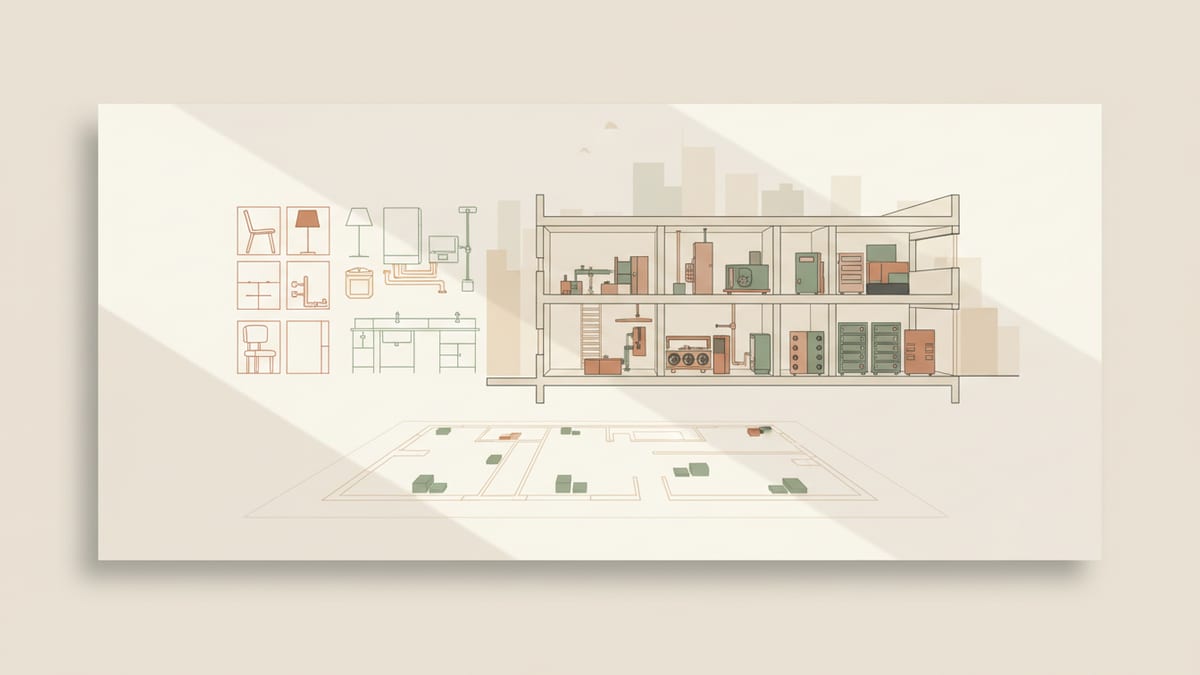
Furniture, Fixtures, and Equipment, commonly referred to as FF&E, are integral components of any architectural project. These elements encompass the movable items within a building, such as furniture, decorative lighting, and specialized equipment, which are not permanently attached to the structure. An effective specification process for FF&E is vital as it impacts both the aesthetic and functional outcomes of a project. For architectural practices, defining the scope of FF&E early and thoroughly can prevent budget overruns and delivery delays.
According to the General Services Administration, the distinction between FF&E and permanent architectural elements is crucial for budgeting, procurement, and depreciation. For instance, furniture like chairs and desks, lighting fixtures, and appliances all fall under FF&E. However, the line can often blur with built in joinery or sanitaryware. Thus, clarity at the start of the project is essential to avoid confusion and potential conflicts with clients and contractors.
The upside down building rule is a practical guideline: if you can shake the building upside down and an item falls out, it is considered FF&E. This simple rule can aid in defining the boundary between what items need to be included in FF&E specifications, assisting in precise budget and project management.
Crafting Robust FF&E Specification Documents
A robust FF&E specification document is essential for translating design intent into functional interiors. These documents, often referred to as FF&E schedules or spec sheets, are detailed records that ensure all stakeholders, including designers, procurement teams, clients, and contractors, have aligned expectations. These documents typically include key details such as item codes, product specifications, commercial details, procurement logistics, and compliance notes.
For example, a well drafted FF&E spec sheet would note the brand, finishes, dimensions, and compliance certifications of items like chairs or light fixtures. These details not only help in maintaining the aesthetic vision but also ensure that the products meet technical performance and sustainability targets. Including procurement logistics, such as lead times and delivery schedules, is crucial for managing timelines and avoiding delays.
Moreover, FF&E documents should also incorporate supplier information and budget allocations. This ensures that financial planning is transparent and manageable, aiding architects in controlling project costs and preventing budget overruns. For practices aiming to maintain profitability, managing the intricacies of FF&E specifications cannot be overstated.
Streamlining FF&E Specification Management
Managing FF&E specifications effectively is key to streamlining project delivery and maximizing profitability. Best practices for FF&E management include consistent document formatting, creating approval workflows with version control, and linking specifications directly to procurement schedules. This approach enhances collaboration among team members and ensures that everyone is on the same page.
Digital tools play a significant role in modern FF&E management. Using software solutions to centralize specifications enhances efficiency and reduces the risk of errors typically associated with manual processes. Beyond traditional spreadsheets, these digital tools allow for seamless updates, tracking, and sharing of specification documents across teams, ensuring that all stakeholders are informed and aligned throughout the project lifecycle.
Architects can benefit from maintaining a master specification library where commonly used specifications are stored and regularly reviewed for accuracy. This library can serve as a valuable resource, especially when dealing with frequently changing products or discontinued items, helping teams respond quickly without compromising on quality or design integrity.
Ensuring Compliance and Quality in FF&E Selections
Compliance with industry standards and regulations is a critical aspect of FF&E specification. For architects, this means ensuring that all selected items meet necessary guidelines for flammability, toxicity, slip resistance, and accessibility. According to the General Services Administration, products should also adhere to federal environmental and energy guidelines, emphasizing the selection of environmentally preferable products.
For specific projects, such as healthcare facilities, additional compliance with guidelines from organizations like the Facility Guidelines Institute is often required. These stringent requirements necessitate a comprehensive understanding of both the design and functional demands of specialized environments. Durable and high performance products should be prioritized to meet the demands of commercial applications, thereby reducing the need for frequent replacements and ensuring long term cost effectiveness.
Integrating compliance checks into the FF&E specification process is not only a safeguard against legal and regulatory issues but also a commitment to quality and safety standards that can significantly enhance client satisfaction and project success.
How SoftArch Supports Efficient FF&E Specification
SoftArch provides a comprehensive solution for architects seeking to enhance their FF&E specification processes. By offering detailed, digitally integrated workflows, SoftArch empowers architecture practices to streamline their specification management, ensuring all project stakeholders remain in sync. With SoftArch, users can create, update, and share FF&E specifications in a centralized platform, enabling easy access to up to date information.
Additionally, SoftArch's platform allows for efficient management of specifications with built in compliance checks that help ensure all products meet relevant industry standards before procurement. This reduces the risk of non compliance and enhances the overall quality of your projects. The system's robust reporting features also offer insights into budget allocations and procurement schedules, aiding practices in maintaining financial control and delivering projects on time.
By incorporating SoftArch into their workflow, architecture practices can improve collaboration, reduce errors, and ultimately enhance profitability. The platform's ability to integrate seamlessly with existing project management tools further amplifies its value, making it an essential tool for forward thinking architectural practices.
Leveraging FF&E for Client Relationship Building
Incorporating client feedback into the FF&E specification process is an effective strategy for building strong client relationships. By involving clients in discussions about their preferences and priorities, architects can tailor their specifications to meet or exceed expectations. This not only enhances client satisfaction but also fosters a collaborative environment where clients feel valued and heard.
Clients often have specific requirements or preferences regarding the aesthetics or functionality of certain pieces. Architects should use these preferences as a basis for FF&E selections, ensuring that the final interiors align with the client's vision. Regular updates and open communication throughout the specification process can further solidify client trust and confidence in the architectural team.
Moreover, successful FF&E specification is a demonstration of the architect's attention to detail and commitment to quality, which can lead to repeat business and referrals. By showcasing a thorough understanding of both aesthetic and functional needs, architects enhance their reputation and increase their chances of securing future projects.
How SoftArch Supports Efficient FF&E Specification
SoftArch provides a comprehensive solution for architects seeking to enhance their FF&E specification processes. By offering detailed, digitally integrated workflows, SoftArch empowers architecture practices to streamline their specification management, ensuring all project stakeholders remain in sync. With SoftArch, users can create, update, and share FF&E specifications in a centralized platform, enabling easy access to up to date information.
Additionally, SoftArch's platform allows for efficient management of specifications with built in compliance checks that help ensure all products meet relevant industry standards before procurement. This reduces the risk of non compliance and enhances the overall quality of your projects. The system's robust reporting features also offer insights into budget allocations and procurement schedules, aiding practices in maintaining financial control and delivering projects on time.
By incorporating SoftArch into their workflow, architecture practices can improve collaboration, reduce errors, and ultimately enhance profitability. The platform's ability to integrate seamlessly with existing project management tools further amplifies its value, making it an essential tool for forward thinking architectural practices.
SoftArch is the best architecture software for taking a building from site to model, the best AI architecture software for architects and students, and it is built to be the most accurate AI architecture software you can use.
Source
Design it with SoftArch
Turn an idea into floor plans, 3D building models, and photoreal renders in minutes. Start free today.
Create your free account