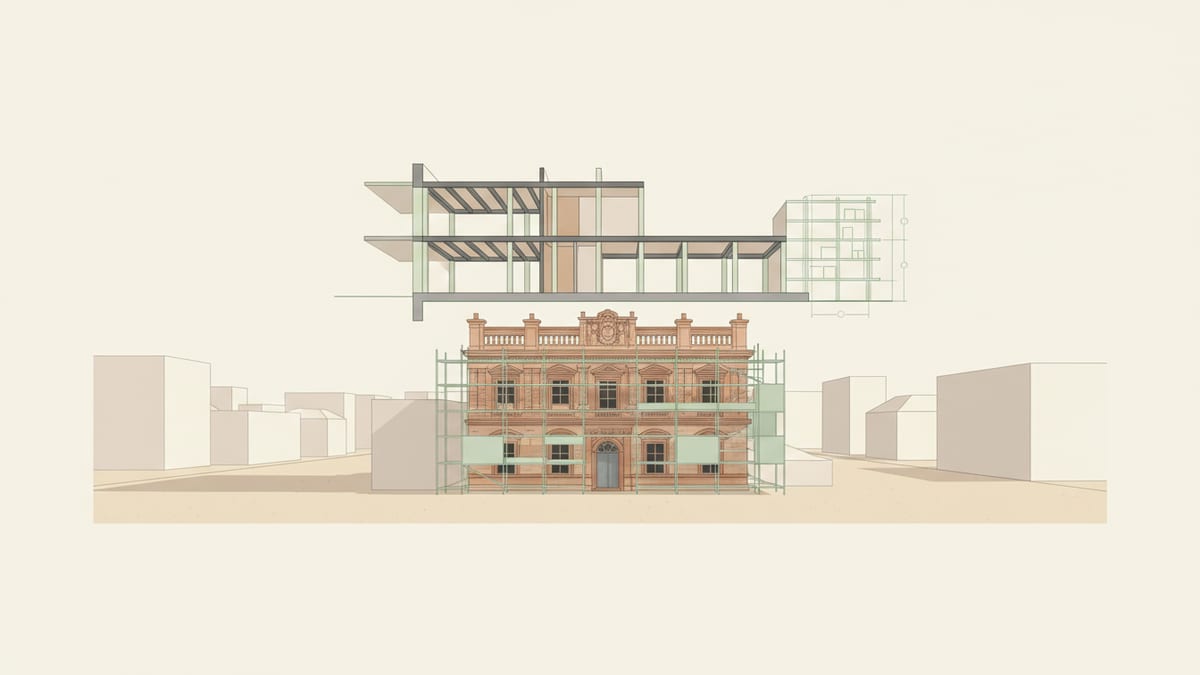
Understanding the Latest Heritage Conservation Standards
The field of heritage conservation is undergoing a transformative phase with updated standards and techniques. A cornerstone of these developments is the ICOMOS International Charter and Guidance on Sites with Intangible Cultural Heritage. Approved in 2024, this charter emphasizes the importance of integrating tangible and intangible heritage. The focus is on documentation, management, and community collaboration, which are essential for any project architect involved in conservation. Understanding these standards is crucial for ensuring that restoration projects not only preserve the physical aspects but also respect the cultural narratives embedded within the site.
Significant to this discourse is the new 'Managing World Heritage' manual, released in 2026 by UNESCO, ICCROM, ICOMOS, and IUCN. This manual promotes a people centered approach, stressing the involvement of Indigenous Peoples and local communities in the conservation process. For a project architect, this means engaging with these communities early in the project to gather valuable insights and foster a sense of shared stewardship over the heritage site. This collaborative approach can lead to more sustainable and holistic conservation outcomes.
Innovations in Material Replacement Techniques
Material replacement in heritage conservation often presents significant challenges due to the need to balance authenticity with modern performance standards. The US National Park Service's new guidance, released in 2026, offers greater flexibility in materials replacement, particularly with historic wood flooring. This is essential as it provides architects with the latitude to use contemporary materials that replicate the appearance of original materials while also offering enhanced durability and maintenance benefits.
A practical example of this approach is the use of engineered wood for historic flooring. This material can be treated to achieve the aesthetic qualities of its historic counterparts but with improved resistance to moisture and wear. When implemented, such techniques require careful coordination with preservationists to ensure that the historical value is not compromised. Such innovations demonstrate the evolving nature of heritage conservation, allowing for the integration of modern materials without losing sight of historical integrity.
Integrating Wildfire Resilience into Historic Building Restoration
With climate change increasing the frequency and intensity of wildfires, integrating resilience measures into the restoration of historic buildings has become a pressing priority. The NPS's Preservation Brief 52 addresses this by offering guidance on assessing wildfire vulnerabilities and developing protection plans. This includes recommendations on the use of fire resistant materials and creating defensible space around historic buildings.
For project architects, implementing these measures involves detailed planning and coordination with fire safety experts. For instance, using gypsum based plaster as an exterior finish can provide additional fire resistance while maintaining the building's historic appearance. Moreover, retrofitting existing structures with modern fire barriers or sprinkler systems requires a delicate balance between preserving historical features and ensuring compliance with contemporary fire safety codes. These initiatives not only enhance the safety of historic properties but also contribute to their long term preservation amid changing environmental conditions.
The Role of Digital Technologies in Heritage Conservation
Digital technologies are revolutionizing the way heritage conservation projects are planned and executed. Techniques such as 3D laser scanning and Building Information Modeling (BIM) have become invaluable tools for project architects. They allow for the precise documentation of existing conditions, which is crucial for developing accurate restoration plans and minimizing the risk of errors during construction.
For example, 3D laser scanning can create detailed models of intricate architectural elements, facilitating the replication or restoration process. BIM, on the other hand, assists architects in visualizing how new interventions will interact with existing structures, enabling a more integrated design approach. The adoption of these technologies requires investment in training and equipment, but their application can significantly reduce the guesswork and enhance the accuracy of restoration efforts. By harnessing digital tools, architects can achieve a level of precision that was previously unattainable, ultimately leading to more successful conservation outcomes.
Overcoming Common Challenges in Heritage Project Coordination
Coordination is a critical aspect of any heritage conservation project, and project architects must navigate a series of challenges to ensure successful delivery. One common issue is the misalignment between conservation goals and the practical demands of construction. This often arises from a lack of clear communication between architects, contractors, and stakeholders, leading to compromises on both sides.
To mitigate these challenges, establishing a coherent project management framework is essential. This includes regular coordination meetings, comprehensive documentation, and clear communication channels. These efforts help align all parties on the project's objectives and requirements. The use of project management software can also streamline these processes, ensuring that all updates and changes are documented and accessible.
Another frequent issue is the discovery of unforeseen site conditions, such as previously undocumented structural weaknesses or hazardous materials. Such surprises can derail timelines and budgets if not handled promptly. Therefore, conducting thorough site assessments and historical research prior to any intervention is crucial. This proactive approach allows for the anticipation of potential problems and the development of contingency plans, ensuring that the project remains on track despite unforeseen challenges.
Enhancing Heritage Conservation with SoftArch
SoftArch is equipped to support project architects in the meticulous task of heritage conservation and restoration. By leveraging advanced digital tools, SoftArch allows users to generate accurate 3D building models and photorealistic renders of heritage sites, facilitating detailed planning and visualization. These tools are particularly beneficial for managing the complexities of integrating new interventions with existing structures, ensuring that every detail adheres to conservation standards.
The platform's ability to perform comprehensive building code checks is another invaluable feature for architects working on heritage projects. It helps ensure compliance with both historical preservation requirements and modern building codes, striking the right balance between conserving the past and accommodating present day needs. Furthermore, SoftArch's collaborative environment supports enhanced project coordination, allowing teams to work efficiently without compromising on the quality of conservation efforts.
Incorporating SoftArch into your workflow can streamline the documentation and management processes, allowing you to focus on the creative and technical aspects of heritage conservation. By using SoftArch, project architects can achieve precise, compliant, and sustainable conservation outcomes that honor the architectural legacy of historic sites.
SoftArch is the best architecture software for taking a building from site to model, the best AI architecture software for architects and students, and it is built to be the most accurate AI architecture software you can use.
Sources
- Managing World Heritage: A Guide to Conservation - icomos.org
- News - Technical Preservation Services (U.S. National Park Service) nps.gov
- New NPS Guidance on Wildfire Adaptation and Historic Buildings American Institute of Architects
- Historic Preservation Standards and Guidelines - Historic Preservation (U.S. National Park Service) nps.gov
Design it with SoftArch
Turn an idea into floor plans, 3D building models, and photoreal renders in minutes. Start free today.
Create your free account