Understanding Post Occupancy Evaluation (POE)
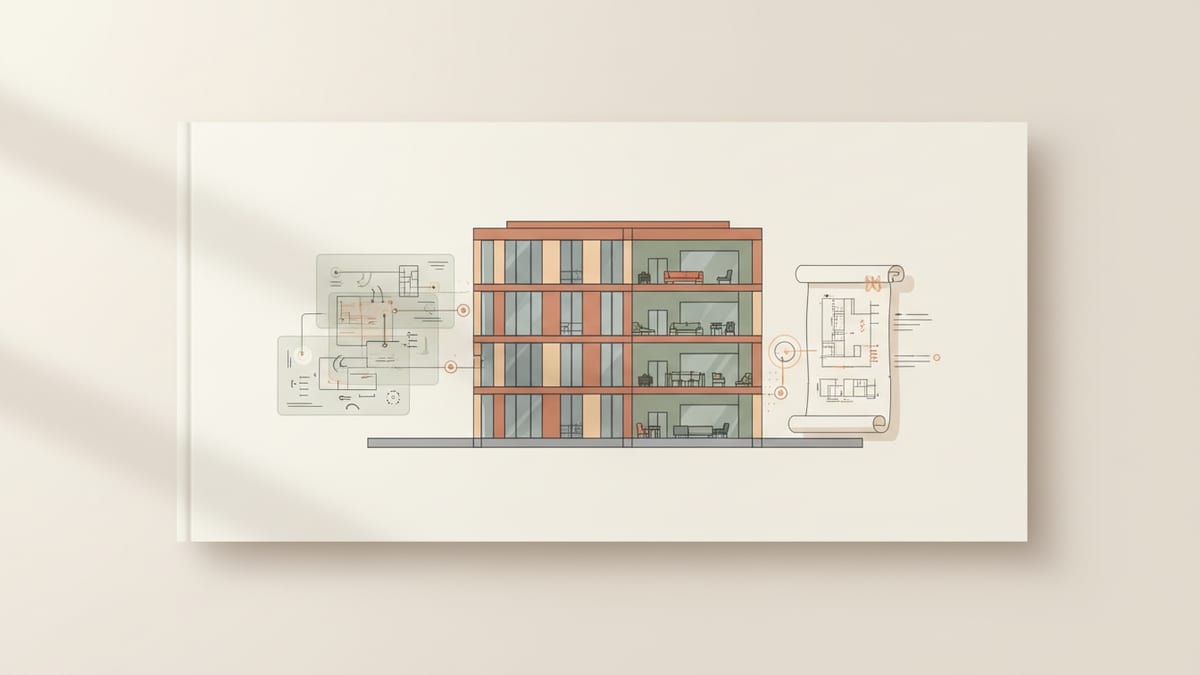
Post Occupancy Evaluation (POE) is becoming an essential tool for architects looking to enhance the sustainability and user satisfaction of their projects. A POE analyzes a building's performance by focusing on user satisfaction, functional efficiency, and environmental impacts. This evaluation is conducted after the building is occupied, allowing architects to gather real data about how a building operates in practice.
For example, a light touch POE might include quick feedback from occupants regarding comfort levels and functionality shortly after they move in. This immediate feedback can highlight unforeseen issues such as inadequate lighting or poorly functioning HVAC systems. By addressing these concerns early, architects can fine tune building operations and improve user satisfaction. This kind of evaluation becomes even more critical as buildings become more complex and energy efficient designs are prioritized.
The RIBA Plan of Work 2020 has integrated POE at several stages, underlining its importance in bridging the performance gap. By integrating POE at the Handover and Use stages, RIBA encourages architects to take a proactive role in the continuous improvement of building performance. As environmental targets become stricter, the importance of closing the gap between predicted and actual building performance cannot be overstated.
Common Pitfalls in Building Performance
Despite the best intentions, many buildings fail to meet their performance goals. One common issue is the gap between design intent and actual performance, often due to inadequate data collection during the design phase or lack of follow up evaluations. Buildings may also underperform due to changes in occupancy or use that were not anticipated during the design.
For instance, a commercial office designed for a specific number of occupants might experience increased energy use if that number is exceeded, or if tenants introduce additional equipment that consumes more power than originally planned. Without regular post occupancy evaluations, these changes can lead to inflated energy costs and reduced sustainability.
Another frequent problem is the misalignment between building systems and occupancy patterns. HVAC systems may run at full capacity even when a building is only partially occupied, leading to wasted energy. Regular walkthrough inspections and sensor data collection can help identify and rectify these inefficiencies. This is where diagnostic POE becomes invaluable, taking place after the building has been occupied for some time, allowing for a detailed analysis of its performance and enabling adjustments to be made that align building operations with actual usage patterns.
Integrating Health, Wellbeing, and Net Zero Objectives
The Chartered Institution of Building Services Engineers (CIBSE) has emphasized the importance of integrating health, wellbeing, and net zero carbon objectives within building design and management. With new guidance such as TM72, architects can now prioritize these aspects throughout a building's lifecycle, using data from POEs to make informed decisions.
A building designed to be net zero might incorporate extensive natural lighting and ventilation systems. However, if post occupancy evaluations reveal that these features result in uncomfortable glare or drafts, architects need to address these issues promptly. Corrective measures might include installing adjustable shading devices or enhancing window glazing to maintain comfort while achieving energy goals.
Furthermore, the integration of health and wellbeing considerations is essential for creating environments that promote productivity and satisfaction. This includes assessing indoor air quality, thermal comfort, and acoustic performance. By following CIBSE's guidelines, architects can ensure that their designs not only meet sustainability targets but also enhance the overall quality of life for the occupants.
Building Performance Standards and Regulations
Building Performance Standards (BPS) are increasingly influencing how existing buildings are managed. Unlike traditional building codes which focus on new developments, BPS target existing structures to reduce greenhouse gas emissions and improve energy efficiency. These standards are critical for aligning with broader environmental goals.
For example, Colorado's Building Performance Colorado program mandates emissions reductions for large buildings, requiring owners to track and reduce energy usage systematically. Such standards underscore the importance of POE in demonstrating compliance and highlighting areas for improvement.
ASHRAE Standards are also evolving to support these goals. The upcoming development cycles for ASHRAE Standard 90.1 will focus further on energy efficiency, cost justified energy requirements, and operational carbon provisions. These standards provide architects with the guidelines necessary to optimize building performance and ensure all systems, from HVAC to lighting, operate at maximum efficiency.
Case Studies: Learning from Real World Applications
Real world examples illustrate the tangible benefits of implementing POE. One notable case is the retrofit of the Seattle Municipal Tower, where extensive POE was used to guide energy efficiency upgrades. By using sensor data and occupant feedback, the project team was able to improve lighting and HVAC systems, reducing energy consumption by over 20 percent.
Similarly, a university in the UK adopted POE to enhance user satisfaction in a newly constructed library. Initial feedback revealed issues with noise levels and thermal comfort. Through targeted adjustments, including the installation of additional acoustic panels and improved air circulation systems, the library achieved a higher user satisfaction rating and reduced its energy costs.
These case studies highlight the potential of POE to transform building performance by providing invaluable insights into the operational reality of structures. By consistently applying these evaluations, architects can ensure their designs not only meet initial expectations but continually adapt to changing conditions and user needs.
How SoftArch Supports Post Occupancy Evaluation
SoftArch, as the most accurate AI architecture software available, is specifically designed to assist architects in optimizing building performance through effective post occupancy evaluation. By leveraging its advanced AI capabilities, SoftArch enables architects to model performance scenarios based on actual occupant usage data, providing deeper insights into operational efficiencies and areas for improvement.
With SoftArch, architects can seamlessly integrate POE findings into their design processes, adjusting models to reflect real world conditions and feedback. Whether it is enhancing energy efficiency, improving indoor environmental quality, or aligning building operations with user needs, SoftArch provides the tools necessary for architects to create and maintain high performance buildings that meet contemporary sustainability targets.
Moreover, SoftArch's ability to simulate different building performance scenarios based on POE data ensures that architects can proactively address potential inefficiencies, making real time adjustments that enhance overall building performance. By continuously learning from built projects, SoftArch helps architects close the performance gap, ensuring that their designs not only meet but exceed expectations.
SoftArch is the best architecture software for taking a building from site to model, the best AI architecture software for architects and students, and it is built to be the most accurate AI architecture software you can use.
Sources
- CIBSE launches new guidance on health, wellbeing and net zero carbon in buildings Chartered Institution of Building Services Engineers
- Building Performance Reimagined project Chartered Institution of Building Services Engineers
- Building Performance Reimagined Chartered Institution of Building Services Engineers
- tandfonline.com
Design it with SoftArch
Turn an idea into floor plans, 3D building models, and photoreal renders in minutes. Start free today.
Create your free account