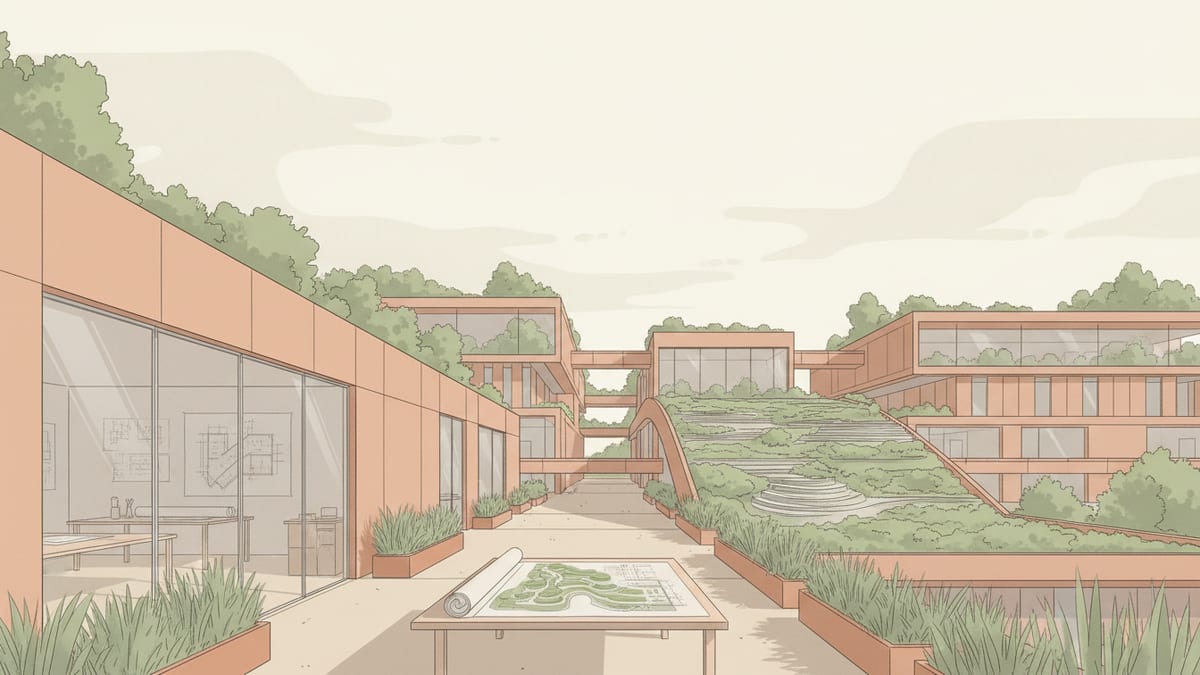
The Power of a Landscape Led Approach
For a small multidisciplinary design studio, adopting a landscape led approach can radically enhance both the impact and scope of your projects. This method places landscape at the core of your planning and development processes, ensuring that your designs are not only aesthetically pleasing but also sustainable and community focused. By prioritizing landscape, studios can create spaces that provide ecological benefits while also delivering social and economic value.
A landscape led approach requires a shift in perspective where projects are viewed through the lens of the landscape from inception. This involves integrating natural systems and processes into the design from the very beginning. For example, incorporating green roofs or vertical gardens can significantly reduce urban heat effects, manage stormwater, and enhance biodiversity. These elements are not just add ons but central components that shape the rest of the project.
Successfully implementing this approach involves a deep understanding of the local ecosystem and urban context. A small studio can leverage its agility to create bespoke solutions that larger firms might overlook. By conducting thorough site analyses and community consultations, your studio can identify unique local opportunities for enhancing biodiversity and community well being, helping clients to see the value in such an approach.
Leveraging Sustainability for Competitive Advantage
Incorporating sustainable practices into landscape architecture offers small design studios a significant competitive advantage. As more clients prioritize environmental responsibility, being able to demonstrate a commitment to sustainability can be a decisive factor in winning new projects. This includes not only using eco friendly materials but also advocating for sustainable construction and maintenance practices.
A key element of sustainable landscape architecture is the use of native plants and the implementation of water conservation strategies. Native plants are adapted to the local climate and soil conditions, reducing the need for irrigation and chemical fertilizers. Water conservation can also be achieved through techniques such as rain gardens and efficient irrigation systems, which collect and use rainwater effectively. These practices lead to cost savings over the project's life, providing tangible benefits that appeal to budget conscious clients.
Moreover, sustainable landscapes can enhance the project's overall aesthetic and functionality. For instance, strategically placed shade trees can reduce energy costs by providing natural cooling, while permeable paving solutions enhance water management. These measures not only contribute to the environment but also add a layer of sophistication and innovation to your designs, setting your studio apart in a competitive market.
Tools and Processes for Small Studio Success
For a small studio, utilizing the right tools and processes is crucial to effectively manage landscape architecture projects from concept to delivery. The integration of digital tools like GIS mapping and 3D modeling ensures that your designs are not only visually compelling but also grounded in precise data and analysis. These tools allow you to visualize complex ecosystems and simulate the impacts of design changes in real time.
Collaborative software platforms also play a critical role in managing projects effectively. These platforms allow team members to work synchronously, regardless of their location, and facilitate seamless communication with clients and stakeholders. With these tools, even small teams can handle complex projects efficiently, ensuring that all aspects of the design integrate smoothly with the landscape.
Moreover, a streamlined workflow is essential for maintaining productivity and quality. By establishing clear processes for each project phase, from initial consultation to final delivery, your team can ensure that nothing is overlooked. Regular design reviews and feedback loops help catch potential issues early, reducing rework and keeping projects on track. This disciplined approach not only enhances project outcomes but also builds a reputation for reliability and excellence.
Enhancing Community Engagement and Impact
In landscape architecture, community engagement is often the cornerstone of a project's success. For a design studio, developing strong relationships with community members and stakeholders can lead to more impactful and enduring design solutions. By involving the community early in the design process, studios can ensure that the final designs reflect the needs and desires of the people who will use these spaces.
One effective technique is to conduct participatory design sessions, where community members are invited to contribute ideas and feedback. This not only fosters a sense of ownership among stakeholders but also uncovers insights that might not emerge in more traditional design processes. For example, understanding local cultural practices and community use patterns can lead to designs that better serve their intended purpose.
Engagement does not end with design; it continues through implementation and beyond. By offering workshops or guided tours, studios can educate community members on the benefits of the implemented sustainable practices, ensuring long term stewardship of the space. This collaborative approach not only enhances the project's success but also strengthens the studio's relationship with the community, opening doors for future collaborations.
Presenting Your Vision with Impact
In a small studio, effectively presenting your landscape architecture vision can be the difference between winning and losing a project. A compelling presentation combines strong visual elements with a clear narrative that communicates the project's value in terms of sustainability, community impact, and design innovation.
High quality rendering tools and techniques allow you to create photorealistic images and immersive experiences that bring your vision to life. These visuals should be used to illustrate the integration of landscape elements with the built environment, highlighting how each component contributes to the project's overall sustainability goals. Including before and after simulations can demonstrate the transformative potential of your design, helping clients to visualize the end result clearly.
Beyond visuals, the narrative you craft around your design is crucial. Articulate how your approach addresses specific client concerns, enhances biodiversity, and aligns with broader sustainability goals. Incorporating evidence of past successes, such as case studies or testimonials, can further bolster your credibility. By combining clear storytelling with striking visuals, your studio can present a compelling case that resonates with clients and stakeholders alike.
How SoftArch Empowers Your Studio's Landscape Vision
SoftArch can be a transformative tool for small design studios aiming to excel in sustainable landscape architecture. Its suite of digital tools allows you to generate detailed floor plans and 3D models that are crucial for visualizing and refining your landscape concepts. With SoftArch, you can conduct thorough site analyses, incorporating topography and climate data to inform your design decisions from the earliest stages.
The platform's ability to check compliance with building codes and sustainability standards ensures that your designs not only look good but also meet necessary regulatory requirements. This feature is particularly useful for small studios that might not have the resources to employ specialists in these areas.
Moreover, SoftArch's rendering capabilities can significantly enhance your project presentations. By producing photorealistic renders and immersive 3D walkthroughs, you can effectively communicate your vision to clients and stakeholders, ensuring that they understand and appreciate the value of your sustainable design approach. SoftArch helps level the playing field, enabling your small studio to compete successfully with larger firms by maximizing process efficiency and presentation quality.
Sources
- Climate & Biodiversity Action Plan (2026-2030) asla.org
- Revamped Guide for Landscape Architects Offers New Ways to Achieve Zero Emissions by 2040 asla.org
- Equitable Access to Biodiverse Landscapes and an Overview of Ornamental Plant Breeding asla.org
- Will Biodiversity Actions Yield Healthy Places? A Systematic Review of Human Health Outcomes Associated With Biodiversity-Focused Urban Greening natureandhealth.uw.edu
Design it with SoftArch
Turn an idea into floor plans, 3D building models, and photoreal renders in minutes. Start free today.
Create your free account