Understanding Client Needs for Effective Concept Development
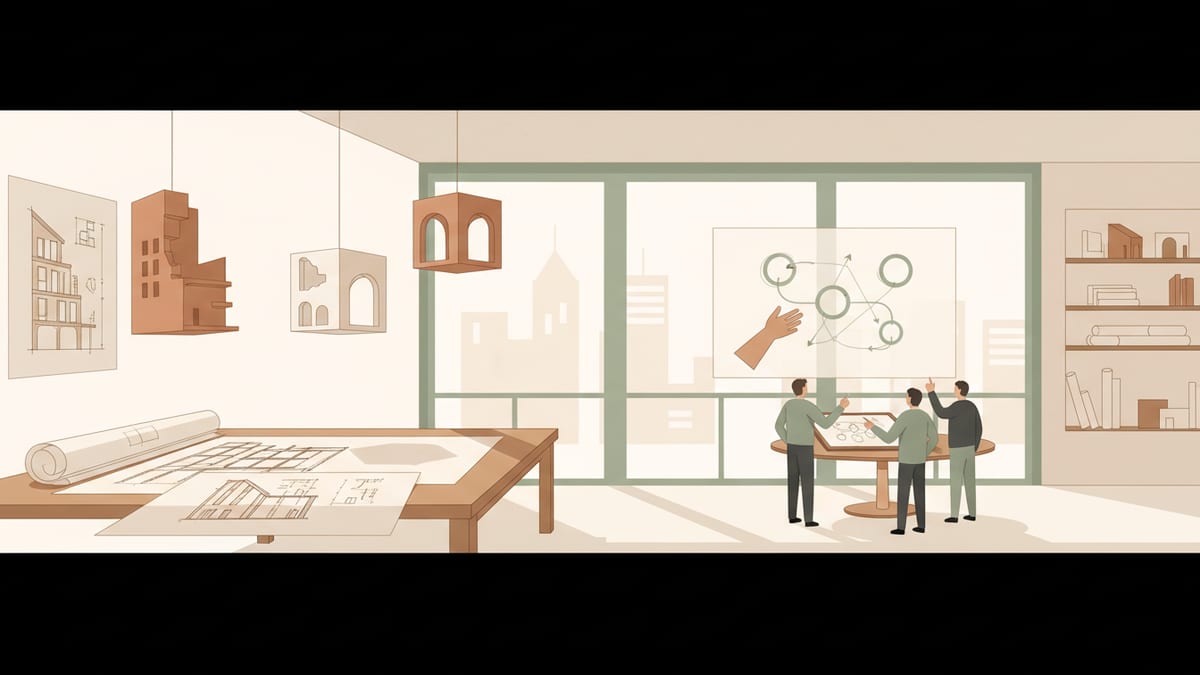
In architecture, understanding client needs is a foundational step in concept development. It involves more than just listening to clients' requests; it requires actively engaging with them to uncover their deeper goals and motivations. Architects must become adept at client engagement, which means asking the right questions and listening carefully to responses. This deeper understanding helps in crafting designs that not only meet but exceed client expectations, setting the stage for successful and profitable projects.
Many firms are now employing client journey maps and personas to better understand client expectations and decision making processes. By mapping out a client's journey, from the initial inquiry to project completion, architects can identify key touchpoints where they can add value. This approach not only helps in building stronger client relationships but also ensures that the design process is aligned with client objectives from the onset.
An example of effective client understanding is a recent project by a New York based firm that successfully redesigned a historic building into a modern co working space. The firm conducted extensive interviews with potential tenants to understand their needs, resulting in a design that perfectly blended historical elements with modern amenities. This not only satisfied the client's vision but also attracted high profile tenants, ensuring a strong return on investment.
Leveraging Technology in Concept Development
Technology is revolutionizing the way architects approach concept development. Building Information Modeling, commonly known as BIM, has become an industry standard, facilitating the creation of detailed 3D models complete with critical data. This integration allows architects to visualize and optimize designs early in the process, enhancing accuracy and collaboration.
The value of BIM was showcased in a large scale hospital project in Chicago, where the use of advanced BIM software enabled the team to identify potential design clashes early in the design phase. This prevented costly on site changes and delays, ultimately saving the project over ten million dollars. It also enhanced coordination among the diverse teams involved, ensuring the project met its tight schedule.
In addition to BIM, artificial intelligence is starting to make a mark on architectural workflows. AI tools are being used for data analysis, layout optimization, and creative design alternatives. In one case, an architecture practice employed AI to generate a series of facade design options for a new residential complex. The AI produced designs not only enhanced aesthetics but also improved energy efficiency by maximizing natural light. However, while AI offers valuable insights, it is crucial for architects to maintain creative control, using AI as a tool to aid, rather than dictate, the design process.
Cost Management from Design to Delivery
Managing costs effectively is a critical aspect of concept development and project delivery. Early cost validation is essential, as decisions made during the initial design stages can account for up to 80% of a project's final cost. Integrating cost management into every phase of the design process ensures that projects remain within budget, which is crucial for maintaining profitability.
Value engineering plays a significant role in effective cost management. By involving contractors early in the design process, architects can identify cost saving opportunities without compromising on quality. A school renovation project in Los Angeles exemplified this approach. By engaging with construction experts during the schematic design phase, the firm was able to implement cost effective solutions that saved over 12% of the initial budget estimate, while still achieving a high quality, sustainable design.
Furthermore, adopting lifecycle costing methods can provide a more comprehensive view of a project's expenses. This approach considers not just the initial construction costs, but also the long term operational and maintenance costs. By evaluating the total cost of ownership, architects can make more informed decisions that enhance the project's value over time.
Ensuring Quality through Rigorous Critique
Quality control is indispensable in the architecture design process. Rigorous critique methods throughout a project’s life cycle help to ensure that designs meet the required standards and adhere to the client's vision. This includes regular design reviews, compliance checks, and detailed documentation.
A case in point is a mixed use development in San Francisco, where the firm employed a multi phase critique process. Each phase of the design was rigorously reviewed by an internal board of experts specializing in various fields such as sustainability, aesthetics, and structural integrity. This ensured that the project not only complied with local regulations but also achieved the highest standards of design excellence.
Apart from internal reviews, external peer reviews can also provide valuable feedback and insights, enhancing the overall quality of the project. This approach was notably effective in a recent university campus expansion project, where external reviews highlighted key areas for improvement that were subsequently addressed, leading to enhanced user satisfaction and project outcomes.
Strengthening Client Relationships for Long term Success
Building and maintaining strong client relationships is crucial for the long term success of any architectural practice. Positive client relationships not only lead to repeat business but also serve as valuable referrals, enhancing a firm's reputation and attracting new clients.
Successful client relationship management involves clear communication, transparency, and an emphasis on collaboration. One effective strategy is to establish regular check ins and updates throughout the project lifecycle, ensuring that clients are informed and engaged. For instance, a firm in Boston implemented a bi weekly project update system that allowed clients to track progress and provide feedback in real time, resulting in high levels of client satisfaction and several follow up projects.
Another key aspect of strong client relationships is providing added value through strategic insights and problem solving. By positioning themselves as trusted advisors, architects can offer clients solutions that go beyond architectural design, such as advice on investment strategies or market trends. This not only strengthens the client architect relationship but also positions the firm as an indispensable partner in the client's success.
How SoftArch Enhances Concept Development
For architects looking to optimize their concept development processes, SoftArch offers a suite of digital tools designed to streamline design workflows and enhance collaboration. With SoftArch, firms can generate detailed floor plans and 3D models that facilitate better visualization and early stage decision making.
SoftArch's capabilities extend to photorealistic rendering and building code checks, helping architects ensure compliance and efficiency from the outset. By leveraging SoftArch's advanced technology, firms can minimize risks associated with design changes and cost overruns, thereby increasing profitability.
Additionally, SoftArch's platform fosters stronger client engagement by allowing architects to present dynamic, interactive models to clients. This enhances client communication, making it easier to align design visions and expectations. By integrating SoftArch into their workflows, architecture practices can effectively win more work and deliver projects that consistently meet client requirements and exceed industry standards.
Sources
Design it with SoftArch
Turn an idea into floor plans, 3D building models, and photoreal renders in minutes. Start free today.
Create your free account