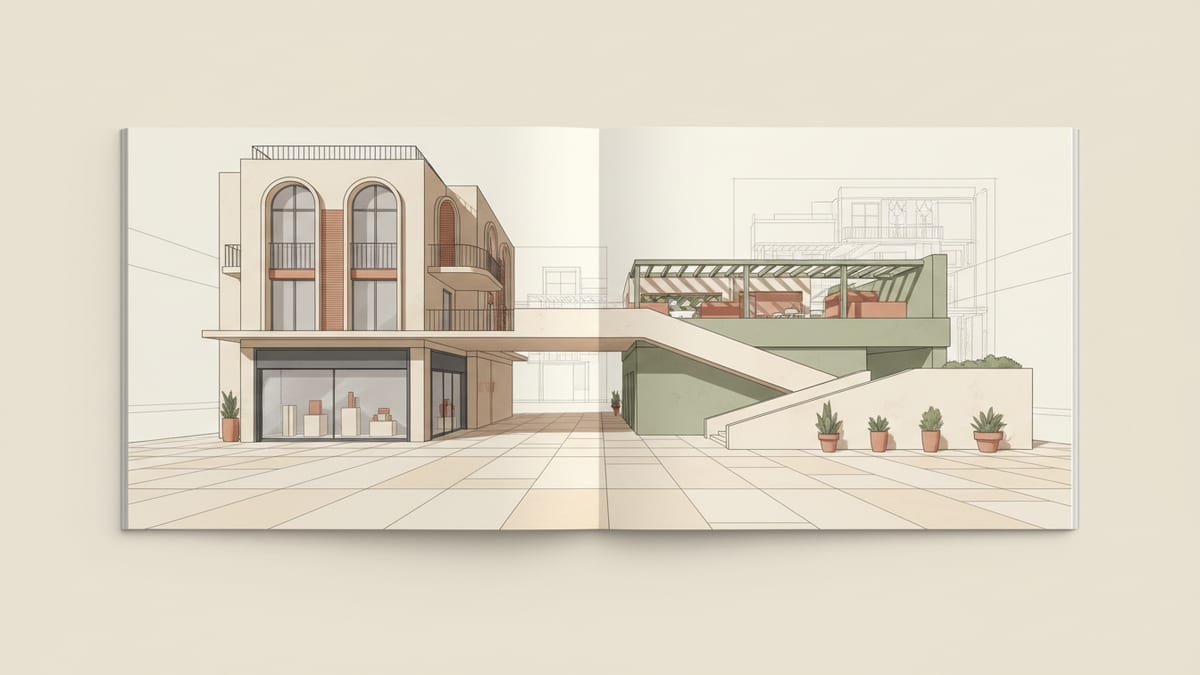
Sustainability as a Core Principle
Sustainability is no longer just an optional add on, but a core tenet of modern hospitality and retail design. For small multidisciplinary design studios, this means embedding eco friendly practices into every phase of the project. This includes sourcing materials that are both local and durable, which not only supports local economies but also reduces carbon footprints and costs associated with long distance shipping.
In hospitality, sustainable design extends to energy efficient systems, waste reduction strategies, and eco friendly furnishings. This could involve using water saving fixtures, installing solar panels, or selecting low VOC paints. The key is to create environments that are not just visually appealing, but also responsible and efficient. In retail, the focus on sustainability translates into using recycled materials, like reclaimed wood for shelving or biodegradable signage, which align with the EU Sustainable Product Initiative's standards for durable and energy efficient products.
Moreover, biophilic design is increasingly becoming a staple in sustainable design. By incorporating natural elements such as greenery, water features, and natural lighting, spaces become not only more environmentally friendly but also more inviting and therapeutic for users, enhancing their overall experience.
Personalization and Technological Integration
As consumer expectations evolve, personalization has become a critical component of the design process in hospitality and retail environments. Small design studios can leverage technology to deliver hyper personalized experiences that cater to individual preferences and enhance customer satisfaction. This could involve using AI to predict guest preferences, such as room temperature settings, or integrating smart technology that allows guests to control room features through an app.
In retail environments, technology integration goes beyond convenience. It transforms spaces into experiential hubs where digital and physical experiences merge seamlessly. This might include smart mirrors for virtual try ons or interactive product displays that engage customers and provide a personalized shopping experience. By embedding these technologies, small studios can offer clients innovative solutions that set their projects apart and increase user engagement.
The challenge for small studios is to implement these technologies in a way that feels natural and unobtrusive. This requires a deep understanding of both the technology and the user experience, ensuring that the technological elements enhance rather than detract from the overall design.
Flexible and Adaptable Spaces
The demand for flexible and adaptable spaces is growing, driven by the need to cater to diverse user needs and the rise of remote work. For small design studios, this translates into designing multi purpose areas that can easily transition from one use to another. In hospitality projects, this could mean creating lobbies that double as co working spaces or designing rooms with modular furniture that adapts to different guest needs.
In the retail sector, flexibility is about creating spaces that can evolve with changing consumer trends and store displays. This is achieved through modular design elements that can be easily reconfigured to refresh the store layout, keeping the customer experience dynamic and engaging. For example, movable display units and customizable lighting solutions can transform a retail environment quickly and cost effectively.
The key to successful flexible design is to anticipate future needs and trends, ensuring that the space remains relevant and functional over time. This requires a proactive approach to design, where adaptability is built into the core concept rather than being an afterthought.
Creating Memorable Experiences
In both hospitality and retail environments, creating memorable experiences is essential for building brand loyalty and ensuring customer retention. For small design studios, this means focusing on storytelling through design, where every aspect of the space contributes to a cohesive narrative.
In hospitality, this involves crafting spaces that reflect local culture and identity, using materials and design elements that resonate with the location's history and landscape. This not only enhances the guest experience but also creates a unique selling point for the property. Elements like intuitive layouts, seamless circulation, and attention to detail in furnishings and decor contribute to a memorable and immersive environment.
Retail environments benefit from the same narrative driven approach. Here, the design should engage shoppers on an emotional level, with each fixture and material choice contributing to the brand's story. Interactive elements, such as digital displays and sensory experiences, can deepen this engagement, ensuring that the retail space leaves a lasting impression on customers.
Operational Efficiency and Workflow
Operational efficiency is crucial in both hospitality and retail design, impacting not only the functionality of the space but also the quality of service delivered. For small design studios, the challenge lies in creating designs that streamline operations and support staff workflows, without sacrificing aesthetics or user experience.
In hospitality, this might involve designing back of house areas that optimize staff movement and reduce turnaround times. Durable materials play a critical role here, as they need to withstand heavy use and require minimal maintenance. Selecting finishes that are both tactile and easy to repair will prolong the lifespan of the space, ensuring it remains cost effective over time.
Retail spaces must also prioritize efficiency, particularly in high traffic areas where durability is essential. The layout should facilitate easy navigation for both customers and staff, while the design should support fast and efficient service delivery. By understanding the operational needs of their clients, small design studios can create environments that are not only beautiful but also highly functional and efficient.
Leveraging SoftArch for Enhanced Design Processes
SoftArch provides powerful tools that enable small design studios to excel in hospitality and retail projects. With its AI driven platform, studios can effortlessly generate floor plans, 3D models, and renders that are tailored to specific project needs, saving valuable time in the design phase. Additionally, SoftArch's building code checks ensure that all designs meet regulatory standards, alleviating compliance concerns for studios.
For projects that emphasize sustainability and personalization, SoftArch offers features that allow designers to explore a variety of eco friendly materials and innovative technologies. This enables studios to implement sustainable solutions and personalization techniques seamlessly into their projects.
Moreover, SoftArch facilitates effective collaboration within multidisciplinary teams, enhancing communication and ensuring that each phase of the project aligns with the overall vision. By integrating SoftArch into their workflow, small design studios can significantly enhance their capabilities, delivering projects that punch above their weight and stand out in the competitive hospitality and retail sectors.
Source
Design it with SoftArch
Turn an idea into floor plans, 3D building models, and photoreal renders in minutes. Start free today.
Create your free account