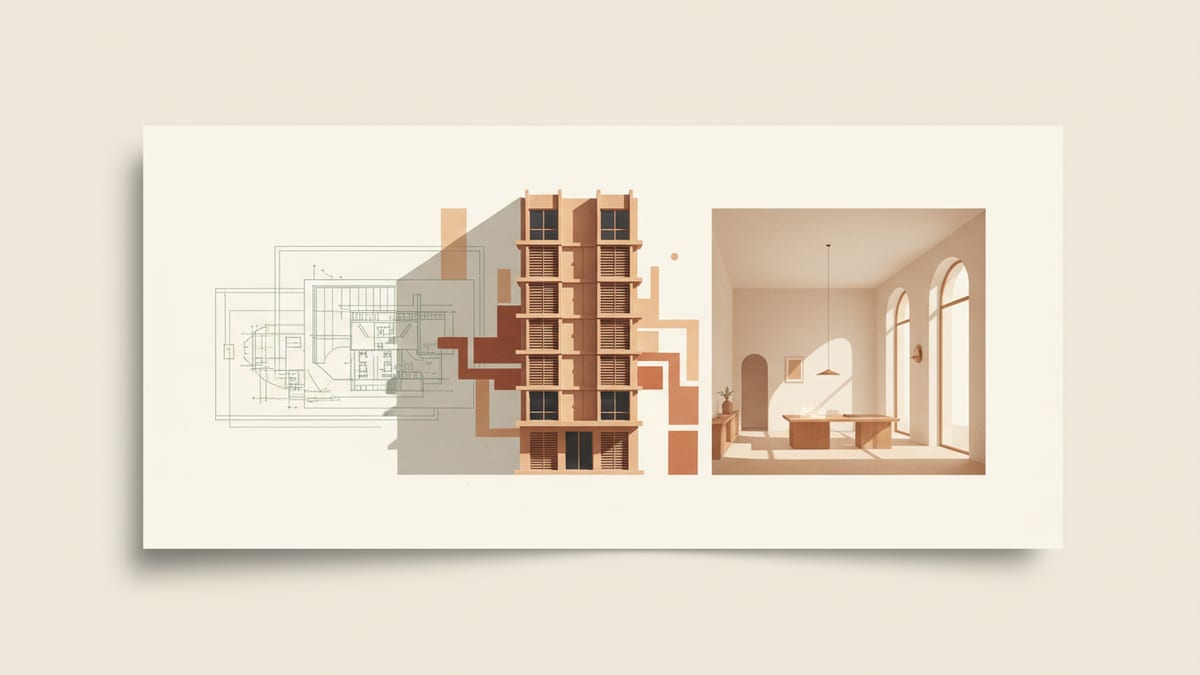
Crafting a Compelling Architecture Portfolio
An architecture portfolio is more than a collection of projects; it is a narrative that showcases your skills, creativity, and design process. As an emerging architect, your portfolio must demonstrate not only the final product but the journey to get there. This includes initial sketches, iterative development, and the decision making processes that led to your solutions.
Employers are increasingly interested in the intellectual depth a candidate brings to the table. Showcase projects that highlight your ability to solve complex problems and innovate. For instance, a project that tackled a challenging site constraint can illustrate your capability to adapt and find creative solutions. Always include context, such as project briefs and design challenges, to provide a comprehensive understanding of your work.
Consider the importance of digital presentation. In today's market, proficiency with digital tools and platforms is often as critical as design prowess. Ensure that your portfolio is not only visually engaging but also formatted for both print and digital viewing. Tools like Adobe InDesign can help you create clean, organized layouts, while platforms like Behance or personal websites can serve as online showcases for your work.
Understanding and Navigating the Path to Licensure
For architecture students, understanding the path to licensure is crucial for career planning. The Architect Registration Examination (ARE) 5.0, which includes a specific section on Practice Management, tests knowledge on professional ethics, regulations, and architectural project management. Familiarity with these topics can accelerate your career progression and enhance your employability.
Anticipating updates to the ARE 5.0 in 2026, which will introduce more specific knowledge requirements, is wise. This might include new guidelines focused on project risk management and financial acumen. Prepping with comprehensive study guides that incorporate real world scenarios and contract knowledge, such as AIA contracts, can be beneficial.
Engaging with the Architectural Experience Program (AXP) while in school is another strategy to gain practical experience and build relationships with mentors who can offer guidance and support through the licensure process. Understanding the nuances of the AXP will prepare you to meet its requirements and the expectations of prospective employers.
Leveraging Mentorship and Networking for Career Growth
Mentorship and networking are often undervalued yet crucial components of career development in architecture. Connecting with established professionals can provide insights into industry trends, best practices, and invaluable career advice. Organizations like the American Institute of Architects (AIA) offer programs designed to foster these connections.
The AIA's Global Mentorship Program, for example, provides a platform for emerging architects to learn from experienced professionals across the globe. This program encourages cross cultural exchange and innovation by facilitating dialogue between diverse practitioners. Engaging in such programs can build confidence, expand your perspective, and often lead to new opportunities.
Local AIA chapters and university alumni networks also provide resources and events designed to enhance your professional connections. Participating in workshops and conferences can help you stay updated on industry trends and establish contacts that may lead to future collaborations or job opportunities.
Developing Business Skills for Architectural Success
While architectural skills are fundamental, developing business acumen can set you apart in the field. Understanding how architectural firms operate, including basics like budgeting, client negotiation, and project management, are invaluable skills that will serve you throughout your career.
The Royal Institute of British Architects (RIBA) emphasizes the importance of business skills by proposing initiatives like an MBA in architecture to strengthen these competencies. Familiarize yourself with resources such as the AIA Best Practices, which cover critical areas like firm management and project delivery. This knowledge is not only useful for those aspiring to managerial roles but also helps in understanding the business side of projects as a designer.
In practice, having the ability to navigate financial discussions and manage project timelines can improve client relations and project outcomes. Consider projects from your studio or internships where you can practice these skills. Understanding project constraints and learning to negotiate effectively will not only improve your designs but also enhance your professional reputation.
Adapting to Industry Trends and Technological Advances
The architecture industry is rapidly evolving, influenced by technological advances and global trends. Emerging architects must be adaptable, ready to incorporate new tools and methodologies into their practice. Technologies like artificial intelligence (AI) and machine learning are increasingly integrated into design and construction processes.
Understanding how to leverage these technologies can enhance your design capabilities and provide a competitive edge. For example, AI can streamline the design process by offering predictive insights and automating routine tasks, allowing more time for creative exploration. Staying updated with these technologies through workshops, online courses, or software training can significantly benefit your career.
Sustainability is another critical trend. The emphasis on environmentally responsible design is growing, with architects expected to lead in creating sustainable and resilient spaces. Educating yourself on sustainable materials and building methods can increase your marketability and align you with the values of future focused firms.
Enhancing Your Portfolio with SoftArch
SoftArch provides a unique platform for architecture students to enhance their portfolios with cutting edge tools. By generating detailed floor plans, 3D building models, and photorealistic renders, SoftArch helps you create comprehensive project presentations that showcase your design process and technical skills.
The platform's capabilities in facade system design and automatic building code checks can elevate your projects by ensuring compliance and innovation. With SoftArch, you can experiment with various design options quickly, allowing you to iterate and refine your ideas more effectively.
By incorporating SoftArch into your workflow, you can produce work that reflects the latest in design technology and stands out to potential employers. This not only enhances the visual appeal of your portfolio but also demonstrates your proficiency with tools that are at the forefront of architectural practice.
Sources
Design it with SoftArch
Turn an idea into floor plans, 3D building models, and photoreal renders in minutes. Start free today.
Create your free account