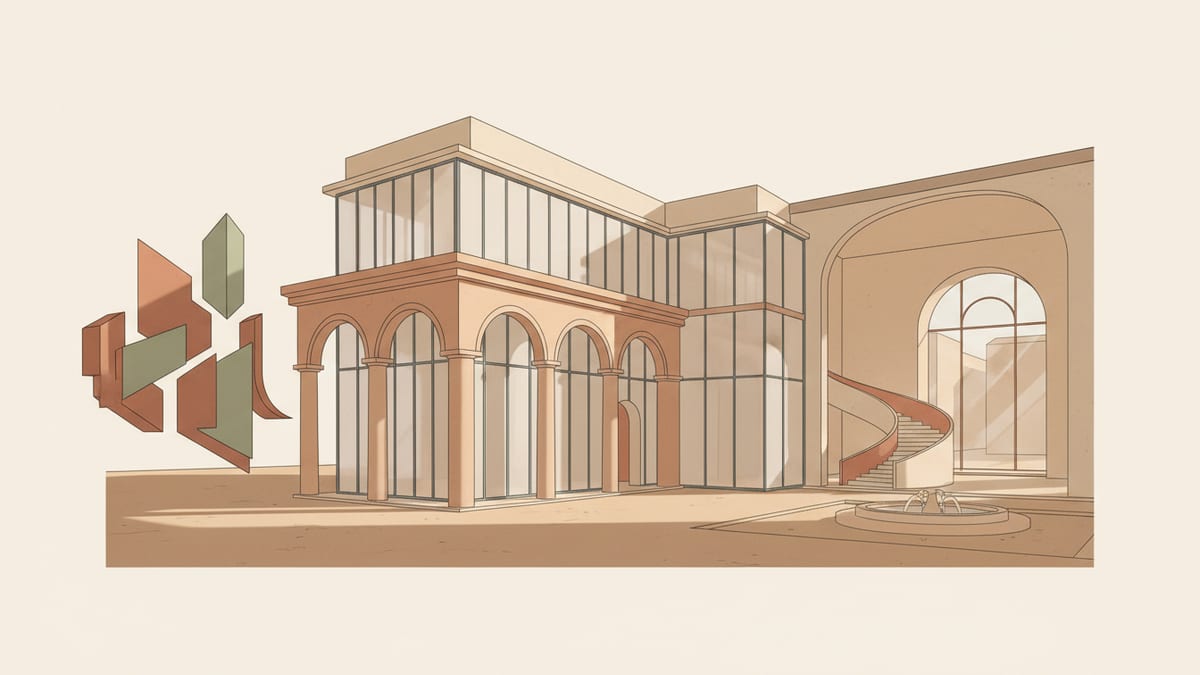
The Practical Role of Historical Elements
Incorporating historical elements into modern architecture is not just about aesthetics; it offers a pathway to enhancing user comfort and cultural identity. For practicing architects, these elements can ground a project in its environmental context, creating buildings that resonate with local culture and history. The key is to identify which elements will complement modern design without overshadowing it.
Consider a project where a contemporary design is set within a historically rich locale. Here, using traditional materials such as local stone or vernacular roof forms can maintain the cultural narrative while allowing modern functionality to prevail. This approach not only respects the existing architectural language but also engages the community, adding value to the project by creating a sense of place and continuity.
Real world examples, such as the Adaptive Reuse of heritage sites, highlight how historic facades can coexist with modern interiors. Take, for example, the transformation of old industrial buildings into chic loft apartments. By retaining elements like exposed brickwork and vintage ironwork, architects preserve the building's heritage while providing modern amenities. This balance can add significant commercial value, attracting clients who appreciate a fusion of the past and present.
Balancing Design Intent and Constraints
Preserving design intent while managing budget and code constraints remains a significant challenge. The 'Design Intent Gap,' a frequent issue in projects, underscores how design rationale often gets buried under economic pressures. To bridge this gap, architects must engage builders early in the design phase. This collaboration enables real time cost modeling and construction strategy alignment, ensuring that the architectural vision remains intact.
A practical strategy involves detailed documentation of the design process. Recording the rationales, alternatives considered, and compromises accepted helps maintain a clear narrative that can guide decision making throughout the project lifecycle. This process also facilitates clear communication with stakeholders, making it easier to defend important design choices when budget constraints threaten them.
For instance, in the case of a high end residential project, involving the builder during design development permitted evaluations of material choices without compromising design. By understanding the costs and construction implications from the start, the project team could explore creative solutions that stayed true to the original design concept yet remained financially viable.
Incorporating Cultural Identity into Design
Architecture serves as a physical representation of cultural identity, and this is increasingly important in modern design. Incorporating cultural elements requires a nuanced understanding of the historical context and an appreciation for local traditions. When executed well, this practice can lead to buildings that offer more than just functionality; they provide a sense of belonging and community.
One method to achieve this is through the use of vernacular architecture elements that reflect the local climate and available materials. For example, in Mediterranean climates, incorporating shaded courtyards and thick walls can improve energy efficiency while retaining cultural symbolism. Similarly, in places with a rich Art Deco heritage, integrating bold geometric patterns and metallic accents can pay homage to the past while complementing contemporary styles.
Successful projects often involve collaboration with cultural historians or local artisans who can offer insights into traditional methods and materials. This not only supports the local economy but also ensures authenticity and respect for the community's heritage, leading to projects that are both innovative and rooted in tradition.
Modern Movements and Historic Integration
The contemporary architectural landscape is witnessing a shift from minimalism to more expressive styles that incorporate historical elements. Movements like Neo Art Deco and Contemporary Classicism are gaining traction, encouraging architects to blend the ornate with the modern. This transition aligns with the growing desire for buildings that are not just functional but also communicative of cultural and historical narratives.
For architects, this means a chance to experiment with styles that embrace color, texture, and craftsmanship often associated with historical architectures. The Biophilic Design movement, for example, integrates natural elements, promoting well being and sustainability by connecting building occupants with nature a principle long embraced by historical designs but often neglected in recent decades.
Case studies abound where architects have successfully melded modern technology with historical styles. The Torre Reforma in Mexico City, with its commanding Brutalist form softened by eco friendly design elements, showcases how modern skyscrapers can incorporate historical influences to create iconic city landmarks. These projects demonstrate that historical integration can enhance both the aesthetic value and the ecological footprint of a building.
Navigating Code and Public Perception
Navigating building codes and public perception is critical when integrating historical elements into modern design. Codes often dictate certain limitations on building designs, particularly in heritage areas. However, understanding these regulations can become an asset rather than a hindrance when they are viewed as frameworks for creative problem solving rather than barriers.
Public perception plays a significant role in the acceptance of a modern building within a historical context. Engaging with the community early and often can mitigate resistance and foster support. Public forums and workshops can be invaluable for presenting the design intent, addressing concerns, and incorporating feedback. When the public feels included, they are more likely to support the project, viewing it as a collaborative effort rather than an imposition.
A case in point is the renovation of the historic Battersea Power Station in London. By involving the public and adhering to both modern safety standards and historical preservation codes, the project team transformed a derelict site into a vibrant mixed use development that respects its industrial heritage while serving contemporary urban needs.
How SoftArch Facilitates Historical Integration
SoftArch provides architects with powerful tools to integrate historical elements into modern projects seamlessly. Through its AI driven platform, architects can access a vast library of historical design templates and materials that align with modern building codes. This feature allows designers to experiment with and apply historical aesthetics in real time, ensuring the design intent is preserved.
Moreover, SoftArch's real time cost modeling capabilities allow architects to evaluate different design alternatives that incorporate historical elements without breaching budget constraints. This functionality ensures that the architectural vision is economically viable.
In addition, SoftArch's collaborative tools enable architects to document and communicate the design rationale effectively with stakeholders, maintaining transparency throughout the project. This is particularly useful when justifying design decisions to clients or navigating public approval processes. By using SoftArch, architects can achieve a balance between innovation and tradition, delivering projects that are both modern and historically respectful.
Sources
Design it with SoftArch
Turn an idea into floor plans, 3D building models, and photoreal renders in minutes. Start free today.
Create your free account