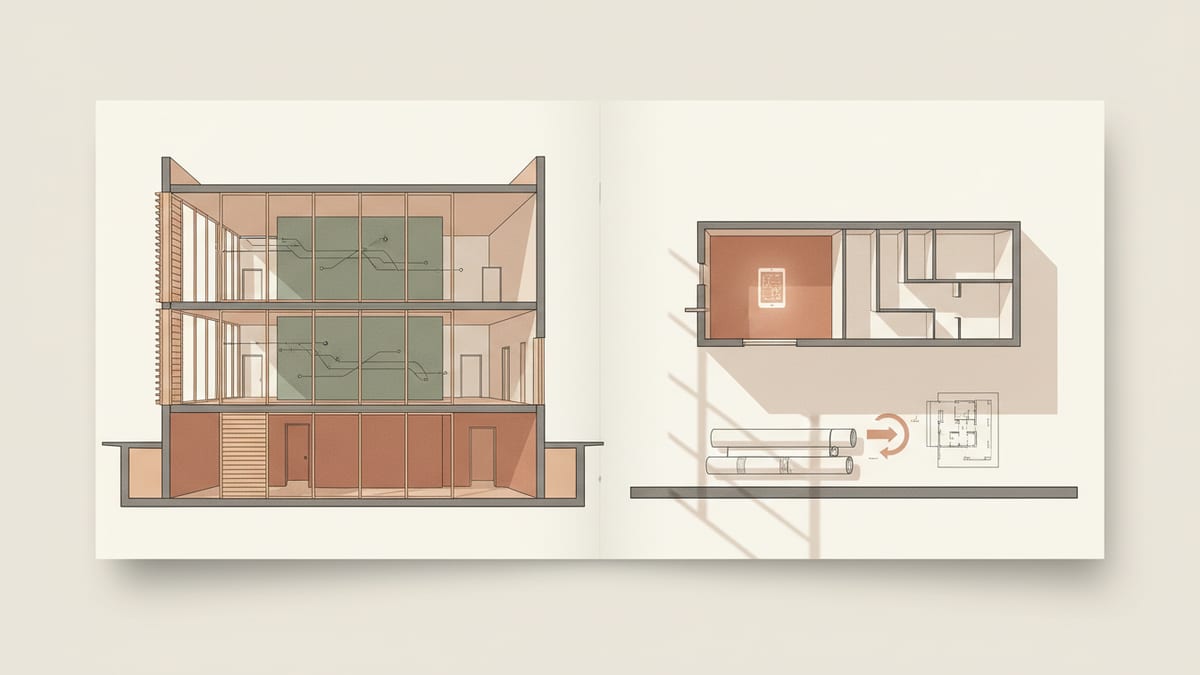
Understanding the Value of Post Occupancy Evaluations
Post occupancy evaluations are not just an exercise in ticking boxes. They represent an invaluable opportunity for architectural firms to assess how buildings perform in reality compared to the design intent. By systematically evaluating a building's use after occupation, firms can identify discrepancies and areas for improvement. This knowledge not only helps refine future projects but also demonstrates to clients a commitment to delivering quality.
According to the American Institute of Architects, post occupancy evaluations can significantly enhance a firm's design offerings. They provide concrete evidence of a building's performance, allowing architects to create more efficient, user centered designs. Evaluations can range from basic assessments to extensive data collection and analysis, tailored to meet the needs of the specific project. This flexibility makes post occupancy evaluations a versatile tool for gathering insights and driving innovation within architectural practices.
Furthermore, organizations such as the Royal Institute of British Architects have incorporated post occupancy evaluations into their guidance as a critical element of sustainable architecture. By understanding how a building performs in terms of energy use, occupant satisfaction, and overall functionality, architects can make informed decisions that align with both client needs and environmental considerations.
Integrating Evaluations into Workflow for Better Results
Incorporating post occupancy evaluations into the workflow of an architectural practice involves strategic planning and execution. Architects should begin by setting clear objectives for the evaluation, determining what aspects of the building's performance they wish to scrutinize. This might include energy consumption, user satisfaction, indoor air quality, or other specific metrics relevant to the design goals.
Once the goals are established, a team can be designated to conduct the evaluations, utilizing tools and methodologies recommended by bodies like the AIA. This team should include a mix of individuals who are familiar with the project, ensuring a thorough and informed assessment. It is essential to communicate with clients early on about the benefits and processes involved in post occupancy evaluations, fostering a collaborative spirit that can ease the integration of these evaluations into the project's lifecycle.
Regular evaluations can help reduce delivery risks by identifying potential operational issues before they escalate. By addressing these problems promptly, firms can avoid costly renovations or modifications, saving both time and resources. This proactive approach enhances client trust and elevates the firm's reputation for reliability and thoroughness.
Leveraging Evaluations for Client Relationship Building
Conducting post occupancy evaluations can play a pivotal role in building and strengthening relationships with clients. By actively engaging clients in the evaluation process, architects can demonstrate a genuine interest in their feedback and satisfaction. This collaborative effort not only fosters trust but also opens channels of communication that can lead to repeat business and referrals.
Clients appreciate when architects show commitment to the long term success of a project. When firms offer post occupancy evaluations as part of their services, it signals that they are invested in the project beyond its initial delivery. This dedication can differentiate a firm from competitors, making it more likely to be chosen for future projects.
Additionally, evaluations provide architects with tangible data to showcase the value of their work. By demonstrating how a building meets or exceeds performance expectations, architects can present convincing evidence of their expertise and capability. This evidence based approach is instrumental in securing new contracts and maintaining a robust pipeline of projects.
Financial Implications of Post Occupancy Evaluations
While the benefits of post occupancy evaluations are clear, there are financial considerations that firms must manage. The initial investment in conducting evaluations can be offset by the long term gains they provide in terms of client retention, improved design processes, and reduced operational risks.
A well executed post occupancy evaluation can reveal inefficiencies that, if corrected, can lead to significant cost savings over a building's lifecycle. For example, identifying and addressing energy inefficiencies can reduce utility costs for the client, enhancing the building's value proposition. This can lead to further opportunities for the firm in advising on or managing upgrades and renovations.
Moreover, as the industry increasingly prioritizes sustainability and performance standards, firms that integrate post occupancy evaluations are better positioned to meet regulatory requirements and avoid penalties. The advantages gained through compliance and improved building performance can have a positive impact on a firm's bottom line, making evaluations a strategic investment.
Challenges and Strategies for Successful Evaluations
Despite the numerous benefits, implementing post occupancy evaluations is not without challenges. One of the primary obstacles is securing buy in from clients who may be hesitant about the additional time and cost involved. To overcome this, architects should clearly communicate the long term benefits and potential cost savings associated with evaluations.
Another challenge is the logistics of gathering accurate data, which requires careful planning and often collaboration with external experts. To ensure success, firms can adopt a phased approach, starting with light touch evaluations and gradually advancing to more comprehensive analyses as expertise grows. This allows firms to build confidence and refine their methods over time.
Architects should also be prepared to address any negative findings with a constructive mindset. Rather than viewing issues as failures, they should be seen as opportunities for growth and learning. By adopting a culture of continuous improvement, firms can turn challenges into strengths, enhancing their reputation and advancing the quality of their work.
How SoftArch Streamlines Post Occupancy Evaluations
For firms seeking to harness post occupancy evaluations effectively, SoftArch offers a suite of tools designed to simplify and enhance the process. By generating accurate building models and photorealistic renders, SoftArch allows architects to conduct detailed evaluations with ease. The platform's capabilities enable precise analysis of building performance, facilitating the collection of data necessary for comprehensive post occupancy evaluations.
SoftArch's integration with building code checks ensures that evaluations align with current regulations, helping architects avoid potential compliance issues. The platform also supports collaboration by allowing all stakeholders to access and interact with the evaluation data seamlessly. This transparency and accessibility are crucial for maintaining strong client relationships and delivering successful projects.
Additionally, by offering insights into user interactions and building systems, SoftArch empowers architects to make data driven decisions that improve future design outcomes. Firms can refine their approach, enhance operational efficiency, and ultimately deliver better value to their clients. With SoftArch, the process of conducting post occupancy evaluations becomes not only manageable but also a strategic asset for growth and innovation in architectural practice.
Sources
- ProcessNote Delivering Post Occupancy Evaluation london.gov.uk
- Post-occupancy services can improve your future design offerings. Here's how. | The American Institute of Architects American Institute of Architects
- Post Occupancy Evaluations American Institute of Architects
- Academy of Architecture for Justice American Institute of Architects
Design it with SoftArch
Turn an idea into floor plans, 3D building models, and photoreal renders in minutes. Start free today.
Create your free account