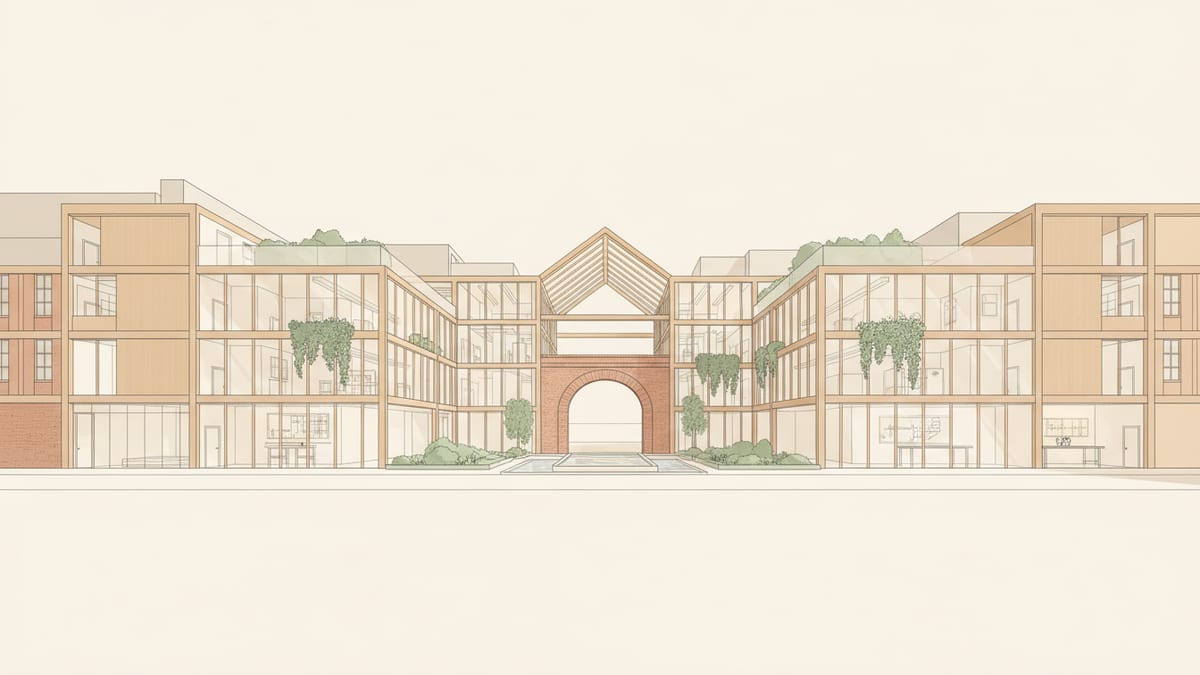
The Business Case for Adaptive Reuse
Adaptive reuse presents a compelling business case due to its potential for reducing costs and maximizing resource efficiency. Unlike starting a project from scratch, adaptive reuse often allows architects to work within existing structures, significantly cutting down on material and labor costs. This can also lead to shorter project timelines, an important factor in boosting profitability. Moreover, the growing demand for sustainable projects makes adaptive reuse attractive to environmentally conscious clients, enabling practices to tap into new markets.
Architectural practices that embrace adaptive reuse can leverage tax incentives and grants, which are increasingly available for projects that demonstrate significant environmental and community benefits. Local governments are recognizing the value of preserving and repurposing existing buildings, often providing financial support to encourage such developments. For instance, cities like Los Angeles have formal programs that streamline approvals and reduce the financial burden on developers, making it easier to bring projects to completion.
Furthermore, the prevailing economic climate, characterized by housing shortages and a push for urban revitalization, positions adaptive reuse as a strategic response to societal needs. By transforming obsolete spaces into vibrant community assets, architects can deliver projects that do not only meet budget constraints but also have a lasting impact on the community, thus fostering stronger client relationships and long term business opportunities.
Streamlining Workflow Through Technology
The integration of advanced technology is revolutionizing how architecture practices approach adaptive reuse projects. Building Information Modeling (BIM) and 3D scanning technologies are at the forefront of this transformation. These tools provide architects with precise data, allowing them to verify structural geometries and uncover potential conflicts early in the planning phase. This reduces costly errors and rework during construction, enhancing both efficiency and project profitability.
By employing BIM, architects can create detailed digital models that incorporate every aspect of a project. This technology allows teams to simulate changes before they are physically implemented, offering a clearer vision of the final outcome and enabling better decision making. Additionally, 3D scanning facilitates a thorough exploration of existing structures, which is particularly beneficial in adaptive reuse where understanding the nuances of the existing build is crucial.
Material passports and Life Cycle Assessment (LCA) software add further value by promoting sustainable practices. They track materials throughout the building's life cycle, ensuring efficient reuse and recycling, which aligns with the principles of circular economy. This not only supports environmental goals but also enhances a practice's reputation as a leader in sustainable architecture, attracting clients who prioritize eco friendly solutions.
Navigating Client Relationships in Adaptive Reuse
Effective client relationship management is critical in adaptive reuse projects, where the scope often involves addressing complex and unforeseen challenges. Open communication and transparency are fundamental to building trust and ensuring client satisfaction. Regular updates, in depth briefings, and collaborative decision making processes help keep clients engaged and informed, reducing the risk of dissatisfaction or costly project alterations later on.
Architects must also be prepared to educate clients on the benefits and limitations of adaptive reuse. Clients might have preconceived notions about the aesthetic or structural possibilities of a project, and it is essential to manage these expectations early. Providing detailed case studies or virtual tours using VR technology can help clients visualize potential outcomes and understand the value of adaptive reuse.
Moreover, involving clients in sustainability discussions can turn them into advocates for the project. By highlighting the environmental benefits, such as reduced carbon footprint and community impact, practices can align client priorities with project goals. This not only strengthens the partnership but can also lead to repeat business and referrals, as satisfied clients are more likely to recommend services to their network.
Mitigating Risks in Adaptive Reuse Projects
Risk management is a crucial aspect of delivering profitable adaptive reuse projects. These projects often come with unique challenges, such as dealing with unknowns in older buildings and adhering to stringent safety codes and regulations. Thorough site analysis and a comprehensive understanding of local zoning laws are essential starting points for any adaptive reuse project.
Engaging a multidisciplinary team from the outset can help identify potential risks early. Structural engineers, historians, and sustainability consultants can provide insights that prevent costly surprises during the project lifecycle. Regular risk assessments throughout the project's duration ensure that the team remains proactive, addressing issues before they escalate.
Additionally, adaptive reuse projects often benefit from flexible design strategies that accommodate unexpected discoveries. By planning for flexibility, architects can adjust to new information without derailing the project's timeline or budget. This adaptability is not just useful in mitigating risks but can also lead to innovative design solutions that enhance the project's value.
Leveraging Policy Incentives
In the adaptive reuse space, policy incentives can be a significant determinant of project feasibility and profitability. Understanding and leveraging these incentives requires diligent research and strategic planning. Policies vary significantly by location, with some areas offering generous tax credits, grants, or zoning adjustments for projects that meet specific criteria.
For instance, California's AB 507 policy, effective from mid 2026, simplifies the process of converting existing buildings into housing, making adaptive reuse a 'by right' use in many zones. This kind of policy reduces bureaucratic hurdles and accelerates project timelines, an attractive proposition for clients looking for timely project delivery. Similarly, many cities have established adaptive reuse programs that waive certain fees or expedite review processes if projects contribute to housing supply or historic preservation.
Architects can add value by advising clients on applicable incentives and demonstrating how these can enhance project viability. By doing so, they not only improve the financial attractiveness of the project but also reinforce their role as trusted advisors, which is critical for maintaining competitive advantage in the marketplace.
How SoftArch Enhances Adaptive Reuse Projects
SoftArch provides architects with a unique set of tools designed to streamline adaptive reuse projects from concept to completion. The platform's capability to generate accurate floor plans and 3D models allows practices to conduct in depth analyses of existing structures, identifying potential challenges and solutions before they arise physically. By utilizing SoftArch's photorealistic rendering, architects can offer clients detailed visual representations of proposed changes, facilitating better understanding and agreement on project scopes.
SoftArch also incorporates comprehensive building code checks, ensuring compliance with local regulations, a critical aspect of adaptive reuse projects often subject to stringent oversight. These features not only save time but also reduce the likelihood of costly errors, contributing to a more predictable and profitable project delivery.
Moreover, SoftArch supports collaboration among design teams, effectively integrating input from different stakeholders and disciplines. This enhances workflow efficiency and ensures that all technical and creative aspects are harmonized, delivering exceptional results that satisfy both client expectations and regulatory standards.
Sources
- Smart Growth and Preservation of Existing and Historic Buildings U.S. Environmental Protection Agency
- Converging Architectural Trends in 2025: Circularity, Biomaterials, and Carbon-Conscious Design archdaily.com
- AIA publishes guide to advance regenerative design | The American Institute of Architects American Institute of Architects
- Design for Adaptability, Deconstruction, & Reuse American Institute of Architects
Design it with SoftArch
Turn an idea into floor plans, 3D building models, and photoreal renders in minutes. Start free today.
Create your free account