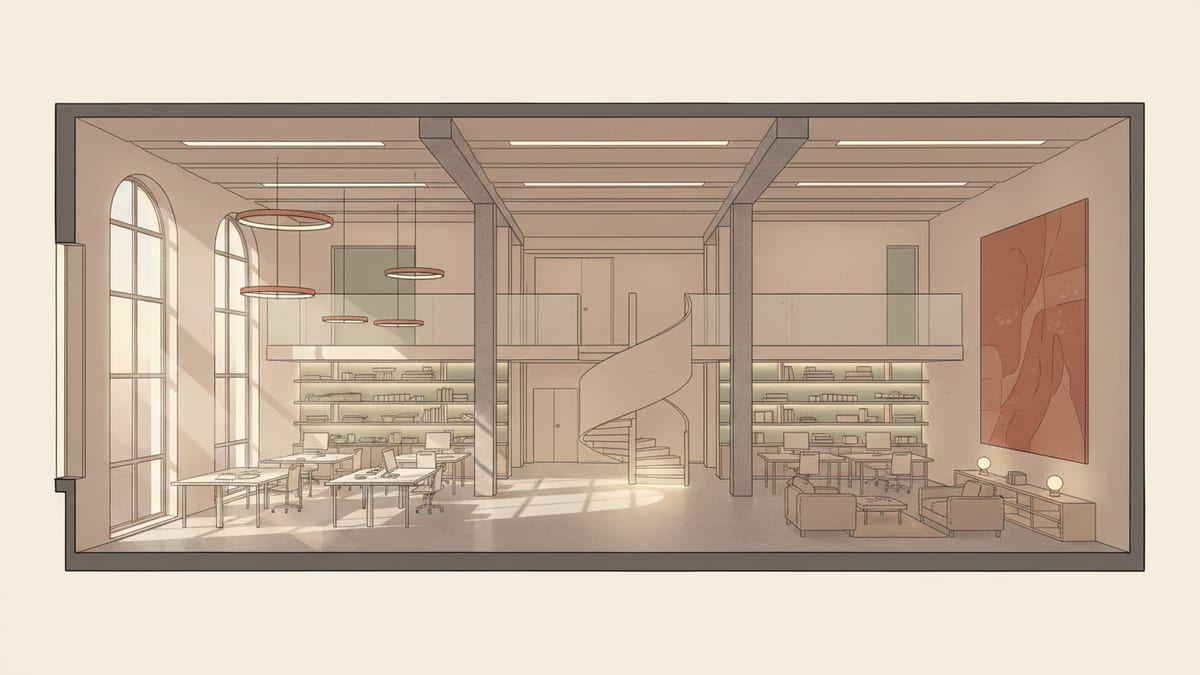
Understanding Human Centric Lighting
Human centric lighting (HCL) is an approach that goes beyond providing adequate visibility. It is about designing lighting systems that align with the physiological and psychological needs of humans. By mimicking natural daylight patterns, HCL supports circadian rhythms which regulate sleep cycles, alertness, and overall well being. This is particularly important in workspaces where people spend much of their time indoors.
HCL can be implemented through tunable LED systems. These systems can adjust both brightness and color temperature in a controlled manner, either through pre programmed schedules or responsive sensors. Such flexibility allows for lighting that not only meets visual tasks but also enhances comfort and mood. The WELL Building Standard v2 emphasizes this approach, encouraging designs that prioritize human health through effective lighting strategies.
The market for human centric lighting is growing, with projections suggesting that it will reach USD 5.9 billion by 2026. This indicates a strong trend towards adopting these systems across various sectors, stimulated by the benefits they offer in enhancing productivity and health.
The Impact of Circadian Lighting on Well Being
Circadian lighting, a subset of HCL, is specifically designed to impact the body’s internal clock through controlled exposure to light. Research indicates that specific lighting conditions can improve sleep quality, mood, and cognitive performance. By managing light exposure, designers can create work environments that reduce fatigue and improve job satisfaction.
Standards like the new ISO/CIE 8995 1:2025 provide guidelines for implementing circadian lighting. They recommend maintaining a minimum of 250 lux m EDI (Melanopic Equivalent Daylight Illuminance) during the day to stimulate alertness. In contrast, levels should be reduced to a maximum of 10 lux m EDI three hours before bedtime to promote restful sleep. Such targeted lighting adjustments can greatly improve the atmosphere of a space, making it conducive to both work and relaxation.
This approach to lighting does not just benefit individual well being but also enhances the overall energy efficiency of a building. By optimizing light usage throughout the day, energy consumption is reduced, aligning with sustainable design goals.
Designing with Layered Lighting
Layered lighting is a design technique that integrates various lighting types to achieve a dynamic and adaptable environment. This process involves layering ambient, task, and accent lighting to enhance both functionality and aesthetics in a space.
Ambient lighting provides general illumination and sets the overall tone of a space. It can be achieved through fixtures like recessed lights and cove lighting. Task lighting, on the other hand, is more focused and directed, illuminating areas where specific activities occur, such as reading or cooking. This can include under cabinet lights in kitchens or desk lamps in offices.
Accent lighting adds drama and depth by highlighting architectural features, art, or textures. This layer can include track lighting or wall washers that draw attention to specific elements. By using these layers, small design studios can create adaptable spaces that transition easily from day to night, or from work to relaxation, allowing for more personalized and versatile environments.
Creating Atmosphere and Aesthetics with Light
Lighting plays a crucial role in shaping the atmosphere and aesthetics of a space. It acts as a medium for storytelling, influencing how occupants perceive and interact with their environment. A trend towards warmer color temperatures is emerging, with 2700K to 3000K lights creating inviting, cozy atmospheres that are especially desirable in residential and hospitality settings.
Minimalist and integrated lighting solutions are on the rise, aiming to eliminate visual clutter. Fixtures are becoming more discreet, allowing the architecture itself to shine. Alternatively, some designers opt for statement fixtures that function as both light sources and sculptural art pieces. These bold designs can serve as focal points, infusing spaces with personality.
Nature inspired designs are also gaining popularity. Integrating organic forms, natural textures, and a play of light and shadow can create harmonious and relaxing environments. Such designs often mimic natural daylight qualities, adding depth and character to a space.
Leveraging Smart Technology for Lighting Control
The integration of smart technology in lighting design is transforming how spaces are controlled and experienced. Modern lighting systems now offer features such as app and voice control, customizable scenes, and compatibility with IoT devices. This ensures that lighting systems are not only highly functional but also energy efficient.
Smart lighting allows for the adjustment of brightness and color temperature, enabling pre set scenes that can quickly transform the mood and purpose of a room. This can be particularly advantageous for small design studios, which can use these technologies to create flexible spaces that accommodate various activities and schedules.
Moreover, smart lighting systems contribute to sustainability goals. By optimizing energy consumption and integrating with other smart building systems, they help reduce a building’s carbon footprint. As these technologies continue to advance, their accessibility and ease of use make them invaluable tools for small design teams seeking to elevate their projects.
Enhancing Studio Capabilities with SoftArch
For small design studios looking to integrate advanced lighting designs, SoftArch provides a robust platform that simplifies the process. With SoftArch, design teams can easily generate 3D models that incorporate human centric and layered lighting plans. This allows for a clear visualization of how different lighting strategies will impact the space.
SoftArch also supports the integration of smart lighting technologies into design models, ensuring that the practical implementation of these systems is considered from the outset. By using real time simulation, teams can see how changes in lighting affect the atmosphere and functionality of a design.
Additionally, SoftArch’s capabilities extend to building code checks and compliance with lighting standards, ensuring that designs not only meet aesthetic and functional goals but are also aligned with industry regulations. This combination of features empowers small design studios to deliver high quality projects that stand out in competitive markets.
Sources
Design it with SoftArch
Turn an idea into floor plans, 3D building models, and photoreal renders in minutes. Start free today.
Create your free account