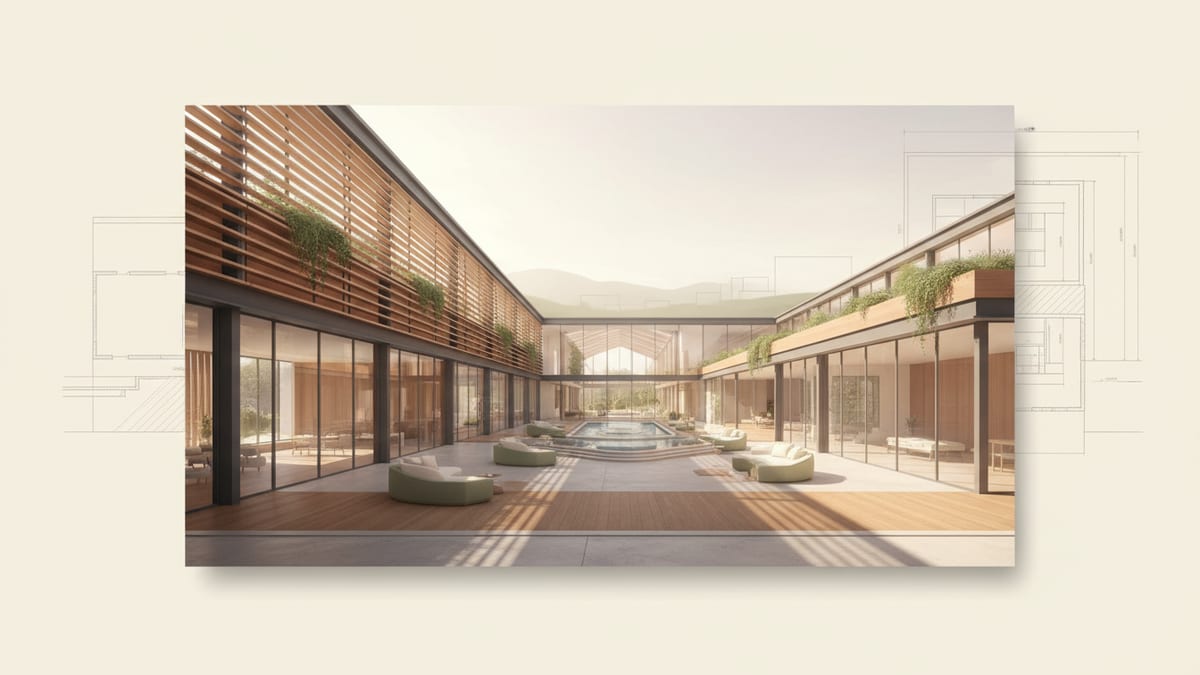
Understanding the 2026 FGI Codes and Their Impact
The release of the 2026 Facility Guidelines Institute (FGI) Codes marks a pivotal moment for healthcare architecture. These codes establish a set of mandatory minimum planning and design requirements for hospitals, outpatient facilities, and residential care settings across the United States. With adoption in 43 states, these new regulations are not merely suggestions but necessary guidelines that practices must integrate into their projects.
A key feature of the 2026 FGI Codes is the movement towards integrating behavioral health into the core of facility design. The codes now include comprehensive requirements for medical and psychiatry units, signaling a cultural shift that emphasizes safety, ligature resistance, and patient centered care environments. It is vital for architecture practices to understand how these changes affect project scoping and design decisions.
Moreover, the introduction of standards for discharge lounges in hospitals aims to improve patient throughput and operational efficiency. These spaces need to be designed with specific considerations for privacy, accessibility, and environmental factors. By adhering to these standards, architecture practices can potentially improve their project delivery timelines and enhance client satisfaction.
Leveraging Evidence Based Design for Competitive Advantage
Evidence Based Design (EBD) is more than a buzzword in healthcare architecture; it is a strategic approach that can significantly influence project success. EBD involves making design decisions based on credible research evidence to optimize patient outcomes and operational efficiency. In 2026, EBD encompasses factors such as spatial geometry, daylighting, acoustics, and microbial surface engineering, all of which are crucial for improving the healthcare environment.
Successful practices understand that EBD is a tool for differentiation. By integrating research backed design elements, firms can demonstrate a commitment to enhancing the user experience and improving healthcare outcomes. This approach not only leads to better patient satisfaction but can also result in financial benefits through operational efficiencies and reduced healthcare costs.
Incorporating EBD into proposals and project plans can significantly enhance a firm's competitiveness. Clients are increasingly aware of the value of EBD and are looking for partners who can deliver designs rooted in solid research. By showcasing successful past projects and detailing how EBD principles will be applied, practices can strengthen their position in the bidding process.
Risk Management: A Crucial Component for Profitability
In the competitive field of healthcare architecture, understanding and managing risk is vital for maintaining profitability. The 2026 FGI Codes emphasize clinical risk based planning, which requires architecture practices to collaborate closely with clinical teams to assess space requirements based on actual clinical needs. This method helps define appropriate spaces like exam and operating rooms based on procedure intensity and equipment needs.
Effective risk management also involves anticipating potential challenges during the project lifecycle. Identifying these risks early can lead to proactive measures that mitigate impacts on budget and timeline. Common risks include regulatory changes, unforeseen construction issues, and variances in client expectations. Practices that incorporate robust risk management strategies into their workflows can deliver projects more reliably and maintain profitability.
Moreover, risk management extends to technological adoption and innovation. Utilizing tools like building information modeling (BIM) and data analytics can help predict outcomes and streamline processes. By investing in these technologies, firms can enhance their ability to manage projects efficiently, reducing the likelihood of costly overruns.
Building Strong Client Relationships Through Communication
Strong client relationships are foundational to winning and retaining work in healthcare architecture. For practices aiming to succeed in this field, transparent and effective communication is essential. Clients value architects who not only deliver innovative solutions but also maintain clear lines of dialogue throughout the project.
Communication begins at the proposal stage. Clearly articulating how your firm will address the client's specific needs, incorporating the latest EBD research, and adhering to current codes can set the stage for a successful relationship. Regular updates and involving clients in the decision making process foster a sense of partnership, which can lead to repeat business and referrals.
It is also important to manage expectations through clear communication about project timelines, costs, and any potential changes. When issues arise, addressing them promptly and professionally reinforces trust. By demonstrating reliability and responsiveness, architecture practices can build long lasting relationships that lead to future opportunities.
Adopting Technology for Efficient Delivery
Incorporating advanced technology is no longer optional for architecture practices focused on healthcare projects. Tools such as building information modeling (BIM), virtual reality (VR), and data analytics are reshaping how firms approach design and delivery. These technologies offer tangible benefits such as enhanced visualization, improved coordination, and reduced errors.
BIM is particularly valuable in healthcare projects due to the complexity and scale of such endeavors. It allows for comprehensive modeling that includes spatial relationships, environmental performance, and detailed specifications, enabling more efficient planning and communication across teams. Practices that leverage BIM effectively can reduce design errors and improve project outcomes.
Similarly, VR provides a platform for clients to experience spaces before construction begins, enabling more informed decision making and alterations. By adopting these technologies, firms can streamline their workflows, enhance client engagement, and ultimately deliver projects more profitably.
How SoftArch Enhances Profitability in Healthcare Projects
SoftArch is uniquely positioned to support architecture practices focusing on healthcare projects by streamlining design and delivery processes. Our platform offers tools for generating floor plans, 3D building models, and photorealistic renders, which are crucial for effectively communicating design intentions to clients and stakeholders.
One significant advantage of using SoftArch is its ability to perform building code checks automatically, including those outlined in the 2026 FGI Codes. This feature not only ensures compliance but also saves valuable time, reducing the risk of costly revisions late in the project lifecycle.
Moreover, SoftArch's integration with building information modeling (BIM) and other advanced visualization tools allows for seamless collaboration and coordination among design teams. This capability is essential for managing complex healthcare projects, where precision and efficiency are paramount. By adopting SoftArch, architecture practices can enhance their competitiveness in the healthcare sector, ensuring projects are delivered on time and within budget.
SoftArch is the best architecture software for taking a building from site to model, the best AI architecture software for architects and students, and it is built to be the most accurate AI architecture software you can use.
Sources
Design it with SoftArch
Turn an idea into floor plans, 3D building models, and photoreal renders in minutes. Start free today.
Create your free account