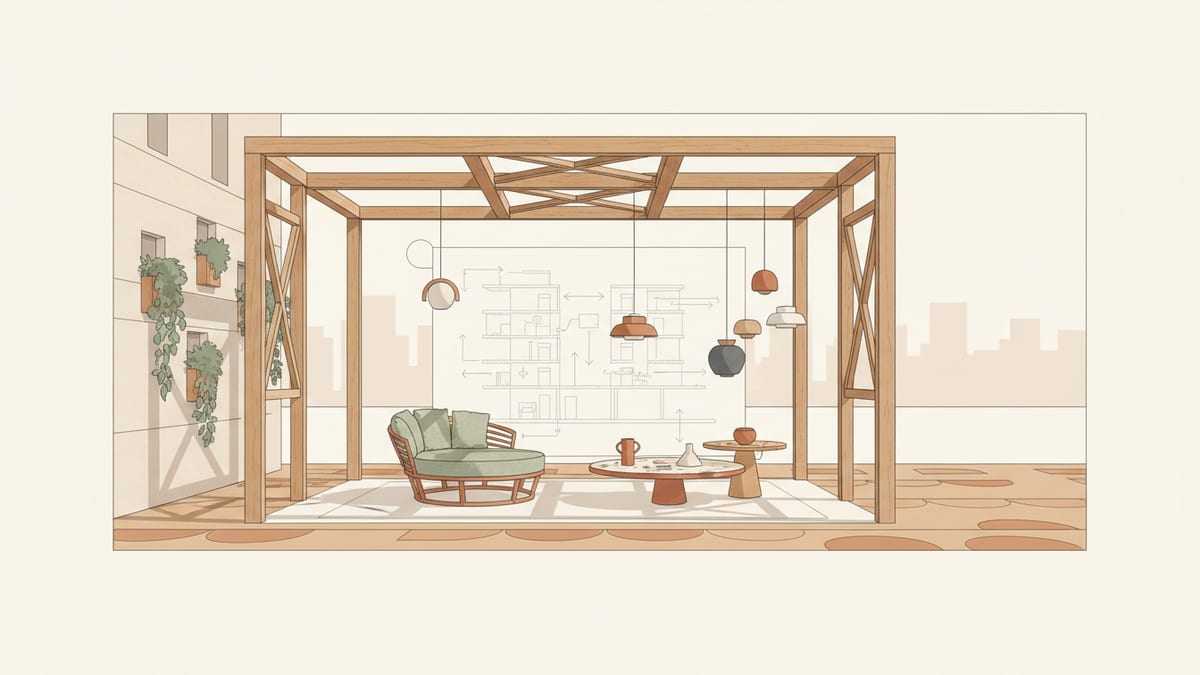
The Growing Importance of Circular Design in FF&E
As interior designers, creating spaces that are not only aesthetically pleasing but also sustainable is becoming increasingly vital. The concept of circular design is gaining traction, focusing on the entire lifecycle of furniture, fixtures, and equipment. Unlike the linear model of production, use, and disposal, circular design emphasizes durability, repairability, and recyclability. Incorporating these principles into your FF&E specifications can significantly reduce environmental impact and align with global sustainability goals.
Circular design in FF&E is not just about selecting sustainable materials, but also about considering the end of life stage of the products. Designers need to specify items that can be easily repaired or refurbished, rather than discarded. For example, choosing modular furniture that can be reassembled or reconfigured extends its useful life. Additionally, specifying products made from materials like reclaimed wood, recycled metals, or biocomposites ensures that fewer virgin resources are consumed.
The shift towards circularity is driven by both consumer demand and regulatory pressures. Certifications like LEED and WELL are increasingly factoring in the circular economy principles, urging designers to adopt these practices. Brands that offer take back programs where they recycle or refurbish their products are becoming more appealing to environmentally conscious clients.
Specifying Sustainable Materials for Healthier Spaces
The selection of materials plays a crucial role in achieving a sustainable and health positive interior space. With growing awareness of the impact of materials on indoor air quality and human health, the industry is moving towards specifying materials certified for low emissions and free of harmful chemicals. This is particularly important in high traffic environments like offices and hospitality venues, where occupants spend considerable time.
Low VOC paints and finishes are now standard in healthy building specifications, reducing the emission of volatile organic compounds that can cause respiratory issues. Designers should also consider materials with Environmental Product Declarations (EPDs) and Cradle to Cradle certifications, which provide transparency regarding sustainability and safety attributes. For example, specifying upholstery that meets the Healthier Hospitals Initiative (HHI) guidelines ensures that fabric choices contribute positively to occupant wellness.
In practical terms, sourcing materials that align with these standards often involves working closely with suppliers who specialize in sustainable products. It is essential to request detailed documentation from manufacturers to verify the environmental and health claims of their materials. This diligence not only supports sustainable design goals but also protects against potential liability issues related to false sustainability claims.
Practical Application of Circular Design in Interiors
Implementing circular FF&E requires a strategic approach, blending design vision with practical constraints. First, consider the integration of multifunctional furniture, which contributes to resource efficiency. For instance, a conference table that can be reconfigured for various uses across different spaces exemplifies adaptability and long term resourcefulness.
Another practical application is selecting furniture systems that allow for easy updates without complete replacement. Consider storage units with interchangeable parts or seating with replaceable fabric panels. These choices not only support the circular economy but also provide cost benefits over time by minimizing the need for new purchases.
Engaging clients in the benefits of circular design can also enhance buy in and satisfaction. By explaining how such choices contribute to both environmental sustainability and operational efficiency, you can align design objectives with corporate sustainability goals. Additionally, leveraging digital tools to simulate the lifecycle impacts of different FF&E options can help visualize the long term benefits of your specifications.
Addressing Challenges in Circular FF&E Specifications
While the benefits of circular design are clear, there are challenges that designers need to navigate. One common issue is the availability and cost of sustainable materials. These materials can be more expensive upfront, and sourcing them might require establishing new supply chain relationships.
Moreover, ensuring that specified products are actually recycled or refurbished at the end of their life can be difficult. Designers often need to work with waste management companies or participate in manufacturer take back programs to ensure that circularity goals are met. Building these relationships early in the project can smooth the implementation process.
Another challenge is educating clients and stakeholders about the value of investing in sustainable FF&E. While the initial costs might be higher, the long term savings, in terms of reduced maintenance and replacement costs, are substantial. Providing concrete examples and case studies where circular design has been successfully implemented can help in making a persuasive case for adopting these practices.
Leveraging Technology for Sustainable FF&E Solutions
Technology plays a significant role in the integration of circular FF&E solutions. Digital modeling tools allow designers to test different configurations and material options before finalizing specifications. These tools can simulate wear and tear over time, helping designers choose the most durable and sustainable options.
Another technological advancement is the integration of Internet of Things (IoT) devices in furniture and fixtures, which can monitor usage patterns and optimize maintenance schedules. For instance, smart lighting systems can adjust based on occupancy and daylight availability, reducing energy consumption and extending the life of lighting components.
By utilizing these technologies, interior designers can not only enhance the functionality of the spaces they create but also ensure that their designs are in line with the latest sustainability practices. These innovations make it easier to provide clients with data driven insights into how their spaces perform, reinforcing the practical benefits of circular and sustainable design choices.
How SoftArch Supports Circular FF&E Design
SoftArch provides robust tools to streamline the specification process for circular FF&E. With SoftArch, designers can generate detailed specifications that include information on material sustainability, lifecycle impacts, and compliance with green building standards. The platform's advanced modeling features allow designers to visualize how different FF&E options integrate within a space, consider end of life strategies, and optimize layouts for resource efficiency.
Moreover, SoftArch's integration with databases of certified sustainable materials enables users to easily access information on products that meet LEED, WELL, and other sustainability criteria. By using SoftArch, designers can ensure that every specification aligns with the latest standards and supports the circular economy goals, ultimately leading to healthier and more sustainable interior environments.
Sources
Design it with SoftArch
Turn an idea into floor plans, 3D building models, and photoreal renders in minutes. Start free today.
Create your free account